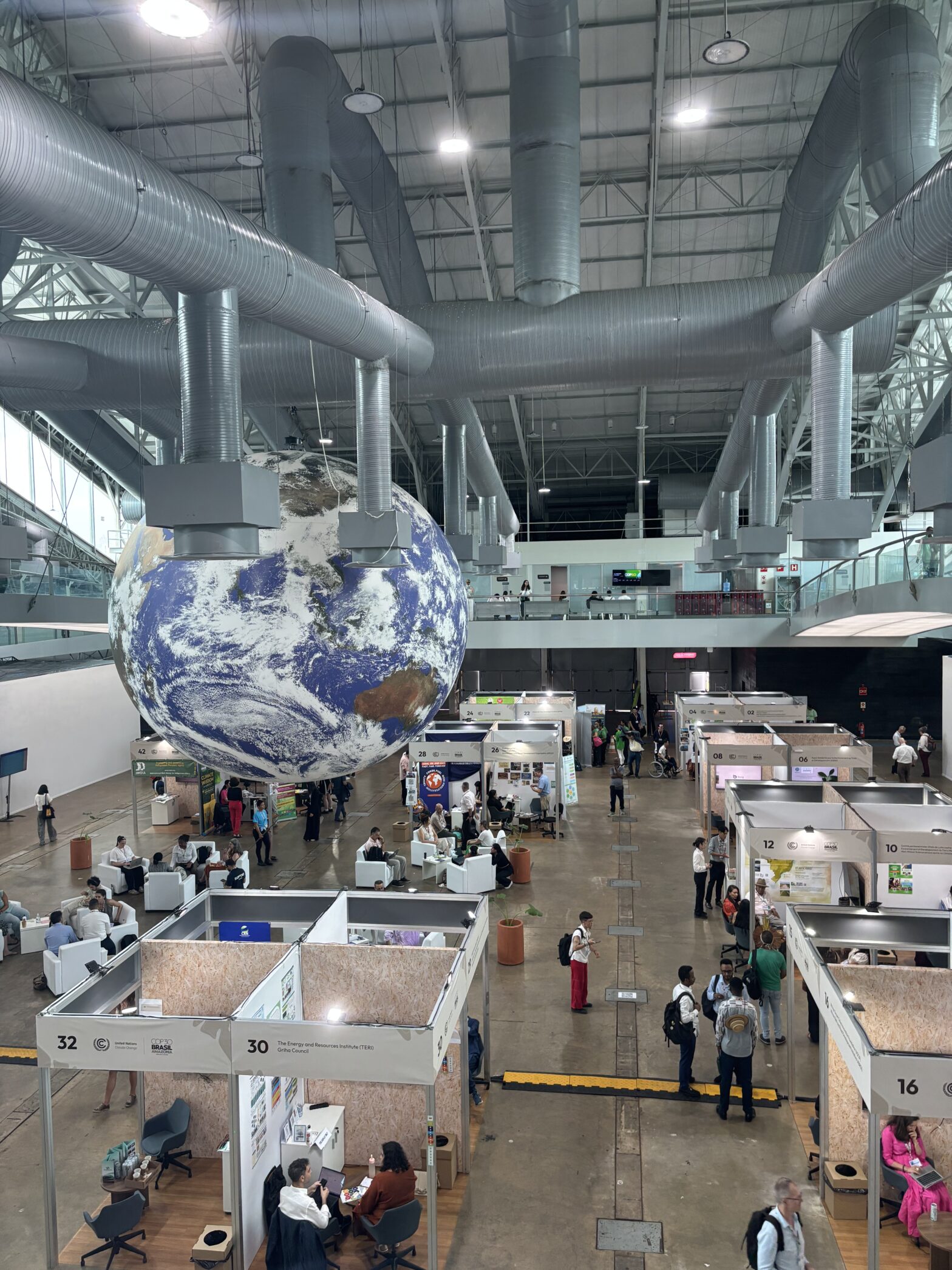
What are over 50,000 people from all over the world doing everyday, all day, for two weeks? Where do they go? How do you enter the venue at 8:00am only to find yourself leaving twelve hours later?
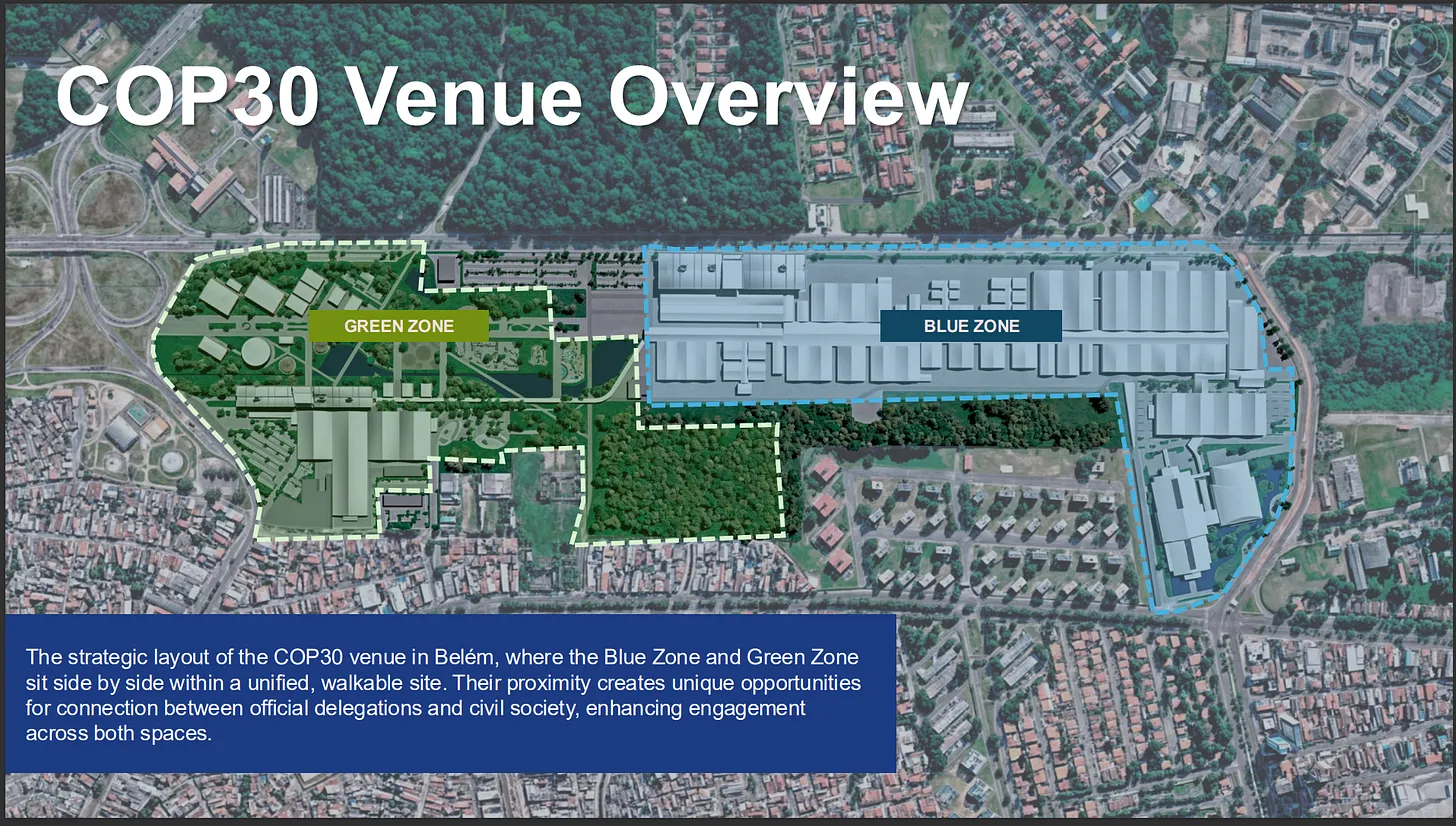
First, there are 2 Zones to the COP:
The Blue Zone: the official, policy-driven core of the COP, where you need an official UNFCCC badge to get in. Delegates, UN officials, media, and observers convene for negotiations, plenaries, press conferences, and pavilion events. It’s where diplomatic deals are made and global climate policy takes shape.
The Green Zone: run by the host country, is open to the public and designed to engage local communities through exhibits, performances, and interactive events that highlight climate solutions, culture, and innovation, it requires no badge or ticket. The Green Zone is much smaller than the Blue Zone typically.
Types of badges to get into the Blue Zone: who gets in?
- Government Party (Pink): negotiators, diplomats, people associated with government of a country
- Party Overflow: individuals associated with a government party delegation, allowing them to attend but not to speak on behalf of the country.
- UN Agency (Blue): UN agency people
- Observer (Yellow): NGOs and IGOs, Civil Society Members (representing the interests of a specific group, like Indigenous, Women and Gender, ect), researchers- this is the badge we have!
- Media (tan/brown): Journalists, media, press
Walking around the Blue Zone, whether sitting on a bench or standing in line for the bathroom, my favorite game to play is “Who’s next to me?” Everyone wears their badge around their neck at all times, displaying their name, badge type (color-coded by role), and the organization they represent.
Elements of the Blue Zone:
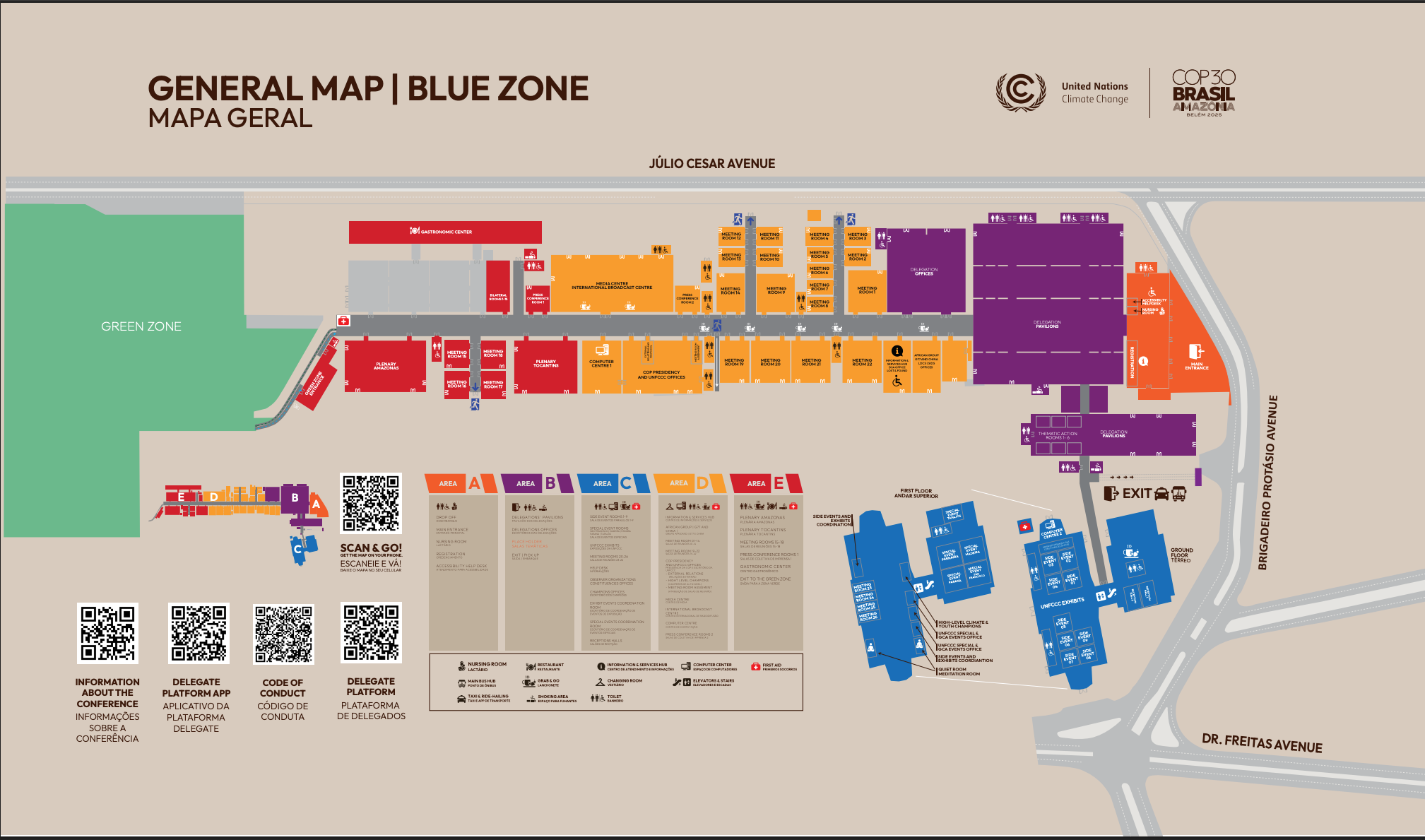
Side events: Side events are talks, usually panel discussions, organized by governments, NGOs, researchers, or advocacy groups that run alongside the official UN climate negotiations. They cover a range of climate topics and often highlight on-the-ground work or diverse perspectives. And… on Thursday next week, our Colorado College delegation will be speaking on a panel of students at a side event for the coalition we are apart of, the Youth Environmental Alliance of Higher Education!

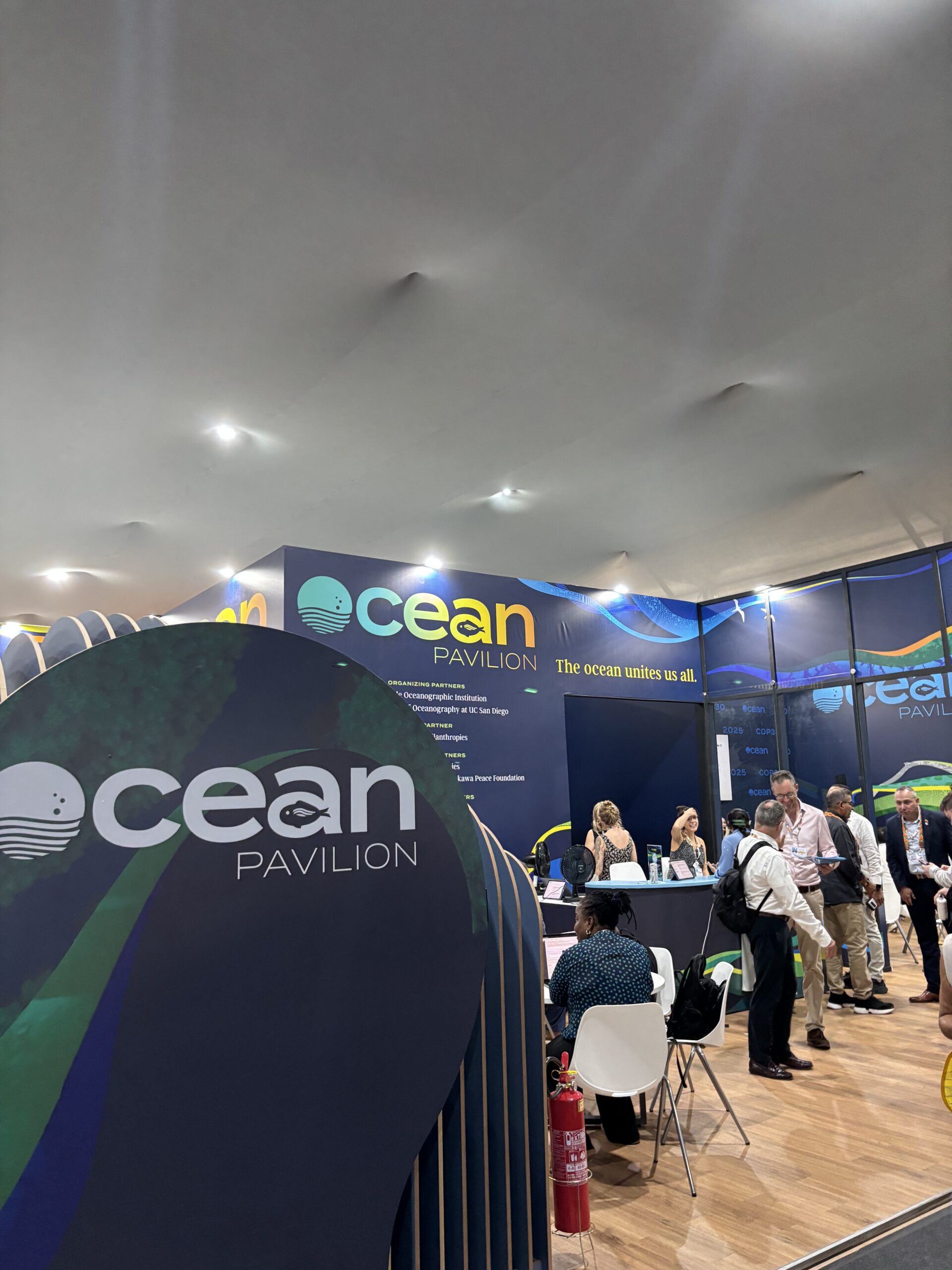
Pavilion Zone: This area of the conference functions like a trade show for countries, institutions, and climate organizations to showcase their work, priorities, and initiatives. It’s a maze of small booth-like spaces, some simple, others strikingly elaborate. Some even have espresso stands! Each pavilion hosts a day-long schedule of talks, panels, and discussions. I was invited by Stephanie Mendoza, who I met at National Geographic, to volunteer this year at the Ocean Pavillion, which she runs! These events are fun to attend because they are highly specific to a topic and very intimate, allowing for networking and asking questions
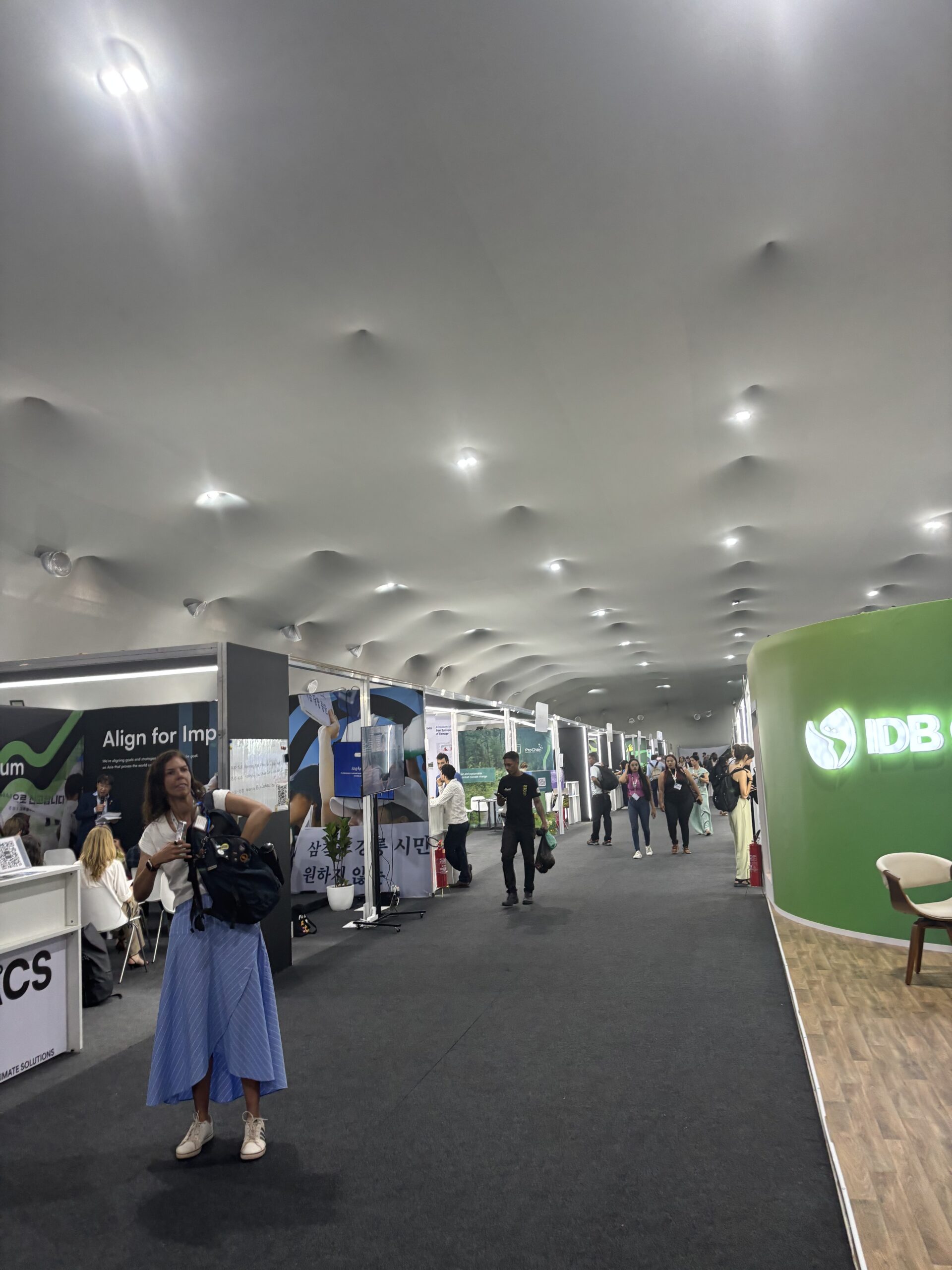
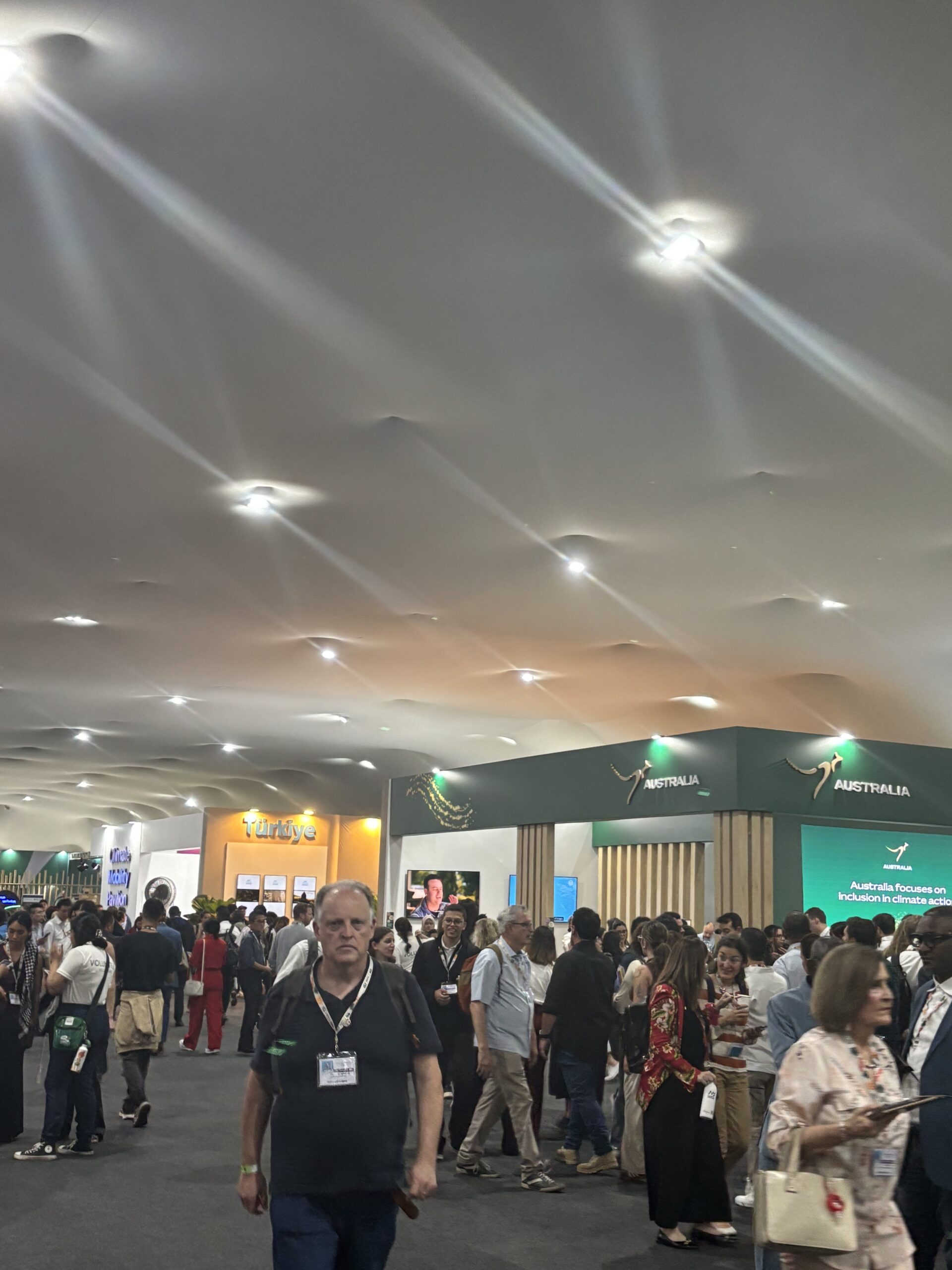
Negotiations: Negotiations at COP are where government representatives sit down, often in long, technical meetings, to agree on the rules, commitments, and actions countries will take to address climate change. Delegates debate wording line by line, try to balance national interests with global needs, and work through disagreements to reach consensus. In simple terms, it’s the process of turning global climate goals into actual agreements that all countries can sign onto. Some of the negotiations are open for observers to view, but not all of them.

Press Conference: A press conference at COP is a formal briefing where countries, UN bodies, researchers, or civil society groups share announcements, respond to developments in the negotiations, or present new reports. Speakers sit at a panel table facing rows of journalists and answer questions after delivering their key messages, but it’s also open to observers. I like attending these for short, punchy, often more impassioned insights into climate action.

Constituency Meetings: Each morning, COP constituencies hold meetings to share updates from negotiation representatives and discuss their priorities. There are nine official constituency groups—covering women and gender, youth, research, environmental NGOs, Indigenous organizations, local governments, trade unions, and farmers. I love going to these, as not only do I get basic debriefs on the important take-aways from the negotiations, which are hard to follow and understand, but they also help with community building and meeting people here!
Exhibits: there are also small booths that nonprofits and coalitions can book, almost like a science-fair setup. Each exhibit is compact, featuring posters, videos, and information about the organization, but no talks.
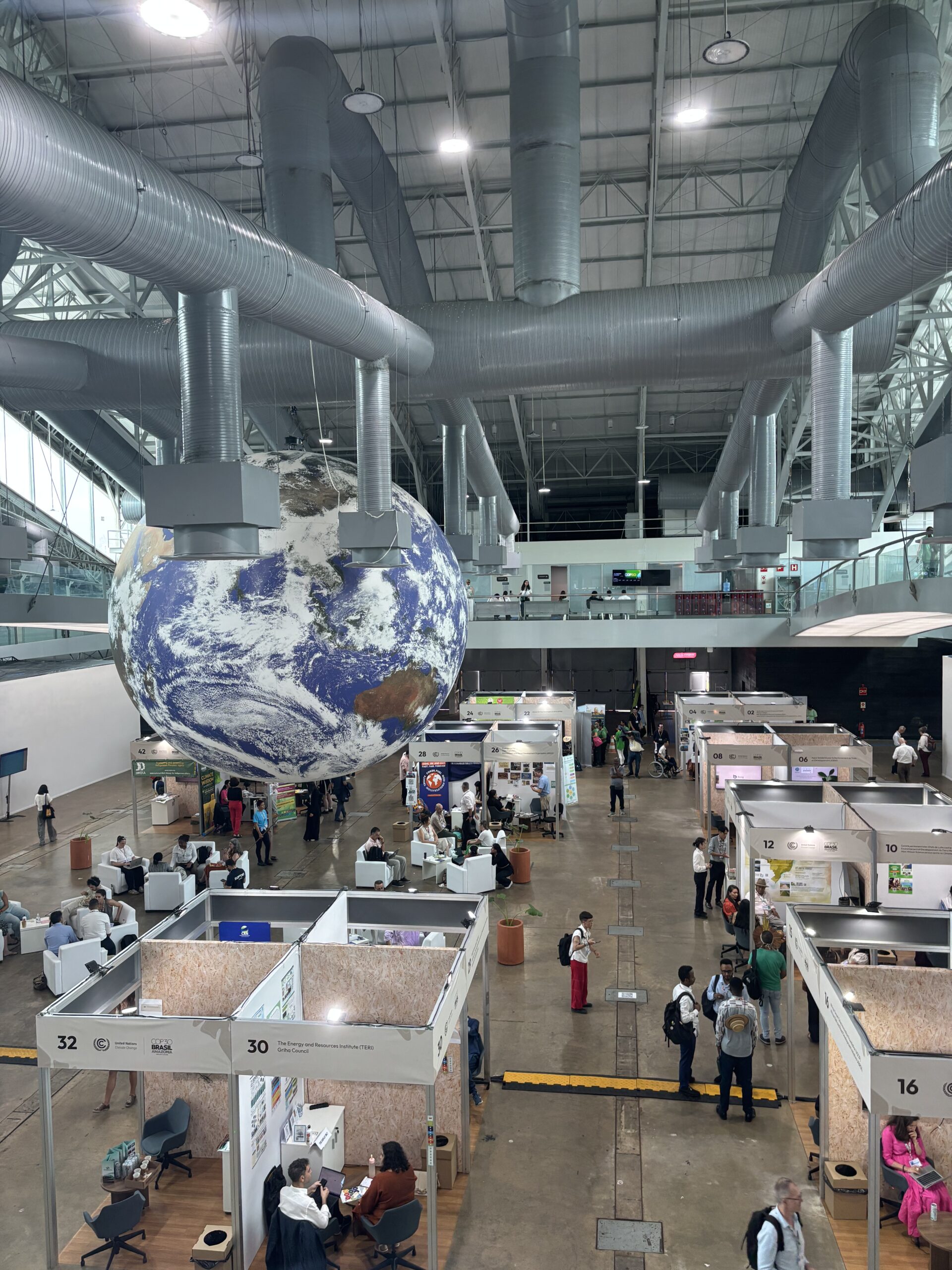
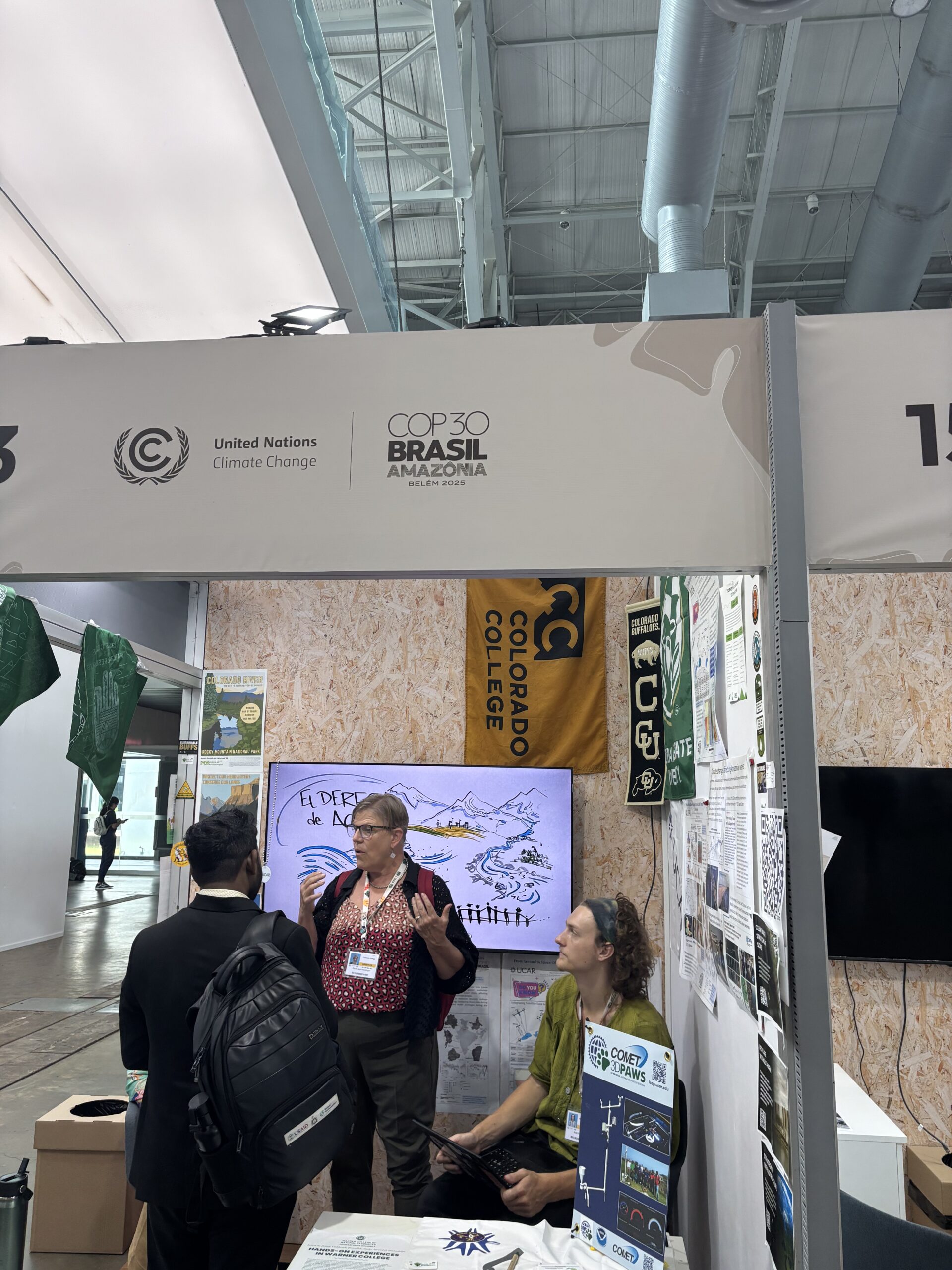
“UN-ese:” COP Jargon
For those new to COP, the jargon can feel overwhelming too.
You’ll hear terms like NDCs (Nationally Determined Contributions), SBI (Subsidiary Body for Implementation), and CMA (Conference of the Parties serving as the Meeting of the Parties to the Paris Agreement). It was a learning curve to understanding what they call “UNese.”
- Mitigation: Efforts to reduce existing carbon emissions, improve industrial efficiency, and scale up clean alternatives.
- Adaptation: Often less highlighted at COPs, adaptation focuses on helping communities cope with the impacts of climate change, especially those most vulnerable, by building greater resilience.
- Carbon Neutral: lowering by balancing emissions produced with emissions through avenues like buying carbon offsets.
- Net Zero: prioritizes reducing actual emissions being created by a country, company, or individual
- Just Transition: Ensuring that the shift to a green economy is fair, inclusive, and also works towards addressing inequity in all its forms.
- Global Stocktake (GST): A mechanism under the Paris Agreement that evaluates collective progress toward long-term climate goals every five years.
- Loss and Damage Fund: Established at COP27, this fund provides financial support to vulnerable nations disproportionately affected by climate disasters.
Walking through the conference, one immediately feels the energy of COP. The halls are alive with conversations in dozens of languages, the buzz of reporters rushing between press conferences, and delegates hustling to negotiation rooms. It’s equal parts inspiring and exhausting—there’s a sense that every conversation, every handshake, could lead to a new partnership or insight.

As an observer at least, some of the most valuable learning for me happens in the spaces between formal events. Standing in line for coffee, waiting outside a packed side event, or chatting with fellow observers between panels often leads to the most unexpected insights. I’ve met students, researchers, and activists who shared perspectives that completely reframed how I think about climate solutions, and it’s those serendipitous moments that make the experience unforgettable.