Perusing Pavilions: The Pin-Hunt Mission and More

By Abby Le '25, Mathematical Economics On my first day as a badge-holder, I planned to explore the venue, learn the layout, and prepare for the busy days ahead. The Blue Zone, the event’s epicenter, was split into formal meeting rooms and vibrant pavilions showcasing climate initiatives. I’d heard from CC alumni about the energy …

The Green Zone of COP29: A Glorified, Greenwashed Trade Show

By Havalin Haskell, '26, Environmental Studies Let's just say it most definitely is "dedicated to advancing the COP29 Presidency's vision and priorities for climate action.” On Thursday, Megan and I ventured to the Green Zone, which is open to civil society/the general public, because we weren’t badged for the Blue Zone. What is the Green …

A Tense Saturday for the US Delegation at COP29

By Ashley Entwistle, '26, History-Political Science As delegates from around the world gather in Baku to discuss the future of our climate, the results of the US election have left the US delegation divided on how to represent the nation’s climate future. The question of whether the US can remain a reliable international partner on …

The “Low Hanging Fruit” of Reduction – COP29 Summit on Methane and Non-CO2 Greenhouse Gases 

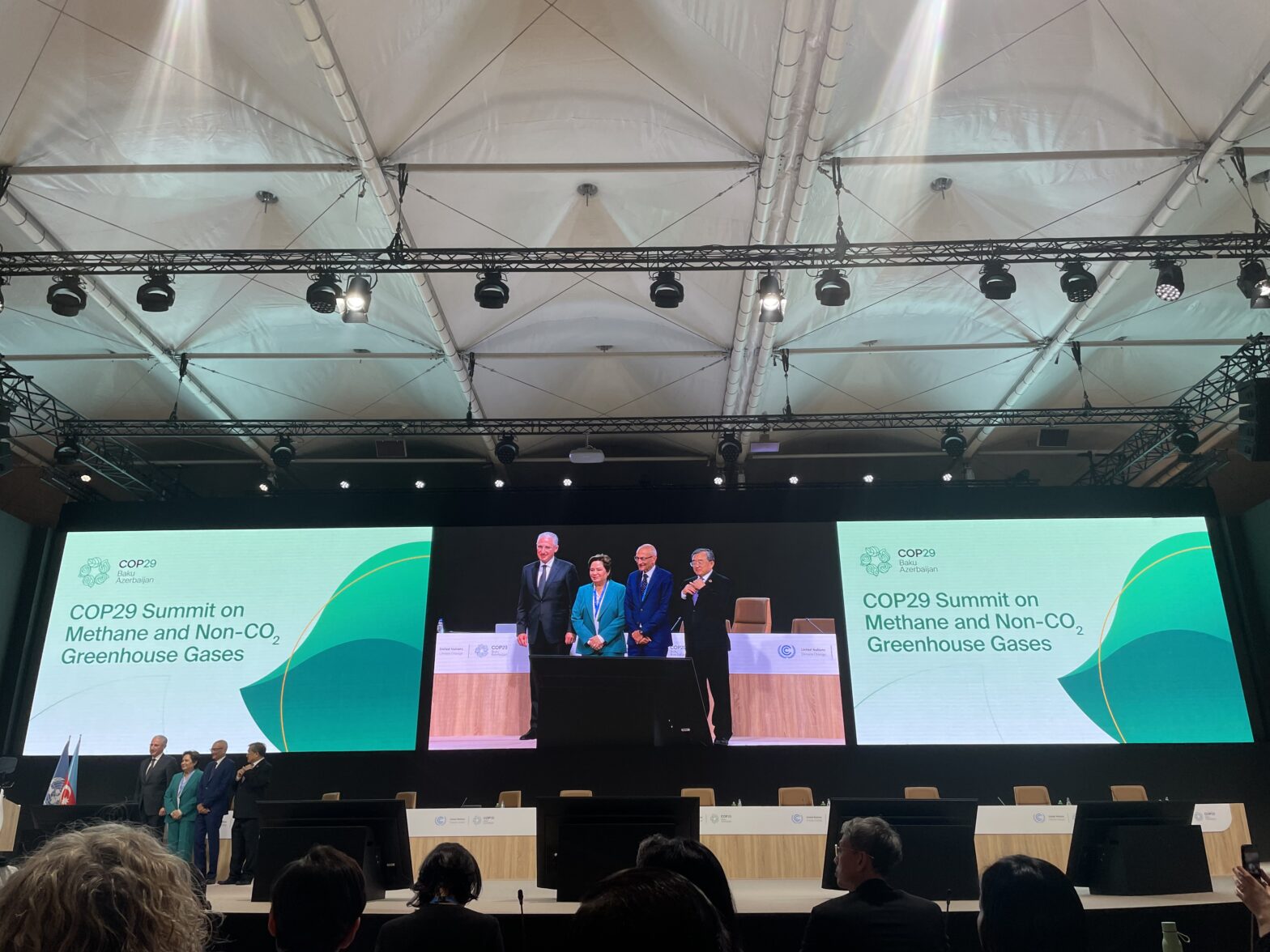
By Megan O’Brien, ’25, Environmental Studies and Havalin Haskell, ’26, Environmental Studies First speakers from hosting countries (From left to right: Mukhtar Babayev, Patricia Espinosa, John Podesta, and Liu Zhenmin) at COP29 Summit on Methane and Non-CO2 Greenhouse Gases.    When we caught wind of the possibility of garnering tickets to attend the High-Level Summit …

Indigenous Climate Leadership Day in the Shadows of the World Leaders Action Summit

Ashley Entwistle, '26, History-Political Science Paul Irngaut (Vice-President, Nunavut Tunngavik Inc) delivering his keynote speech on Tuesday, November 12. The two-day World Leaders Action Summit commenced on the first Tuesday of COP29, where the President of the Republic of Azerbaijan invited heads of state and governments to engage in bilateral meetings, high-level roundtable discussions, and special …

COP29 Day 1: First Impressions and More 

By Megan O’Brien, '25, Environmental Studies If I had to simplify my first day at COP down to one word it would be: whirlwind. I truly was running around all day trying to take in as much as I could. Going forward, I will be approaching this COP with a quality-over-quantity mindset. For my first …

First Impressions in Baku: Ethnic Cleansing, Oil Wealth, and Climate Reckoning at COP29

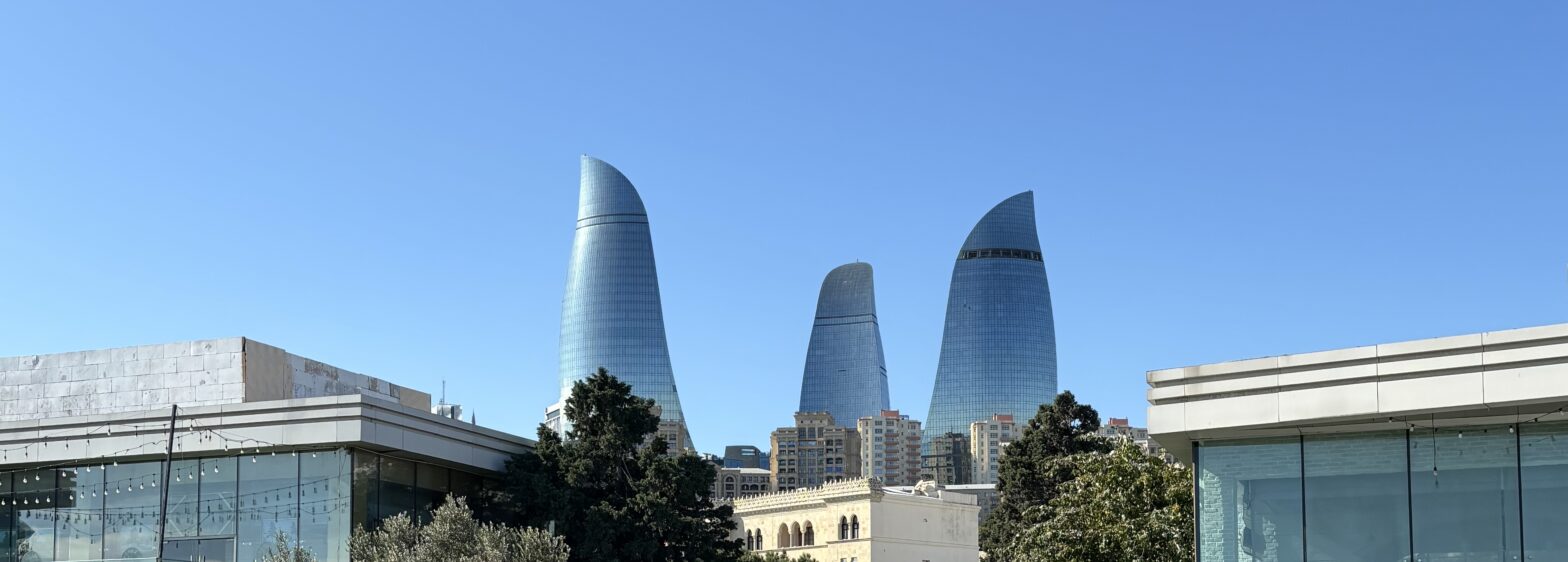
By Ella Reese-Clauson, '26, International Political Economy | We entered the Baku airport at two in the morning local time after a nearly twenty-four hour travel day, amazed by the sloping, modern wooden arches of the terminal. Signs for COP29 in a now-familiar teal color lined the hallway. Our shuttle driver pointed out notable buildings as he maneuvered the still-crowded streets of Azerbaijan’s capital. The Baku Olympic Stadium, the venue hosting COP29, illuminated the skyline as we entered the city, its lighted exterior shining the blue, red, and green of the Azerbaijan flag. The famed flame towers—a trio of sleek, flame-shaped buildings that are three of the city’s many expensive skyscrapers built with new oil money—played a light show on repeat of the country’s waving flag.

Without Incentives: the Significance of Article 6.8: “Non-Market Approaches”

--Lucy Kramer, ‘26  I met Ghazali Ohorella in the back of the room at a late-night Article 6.8 negotiation. I was observing with Tomohiro Harada, who has been following Indigenous People’s participation at the UNFCCC process for years. He pointed to a man sitting at the other side of the deserted back row: “That’s who …

Addressing the Twin Crises of Debt and Environmental Sustainability: Lessons from COP28

by Zoraiz Zafar, '24 In the backdrop of the COP28 conference, a pressing issue that emerged was the twin crises of debt and environmental sustainability, particularly in developing countries like Pakistan and Sri Lanka. This essay explores the intricate relationship between these crises and proposes a nuanced approach to addressing them, drawing from the rich …

Echoes of Resilience: Indigenous Voices from South and Southeast Asia at COP28

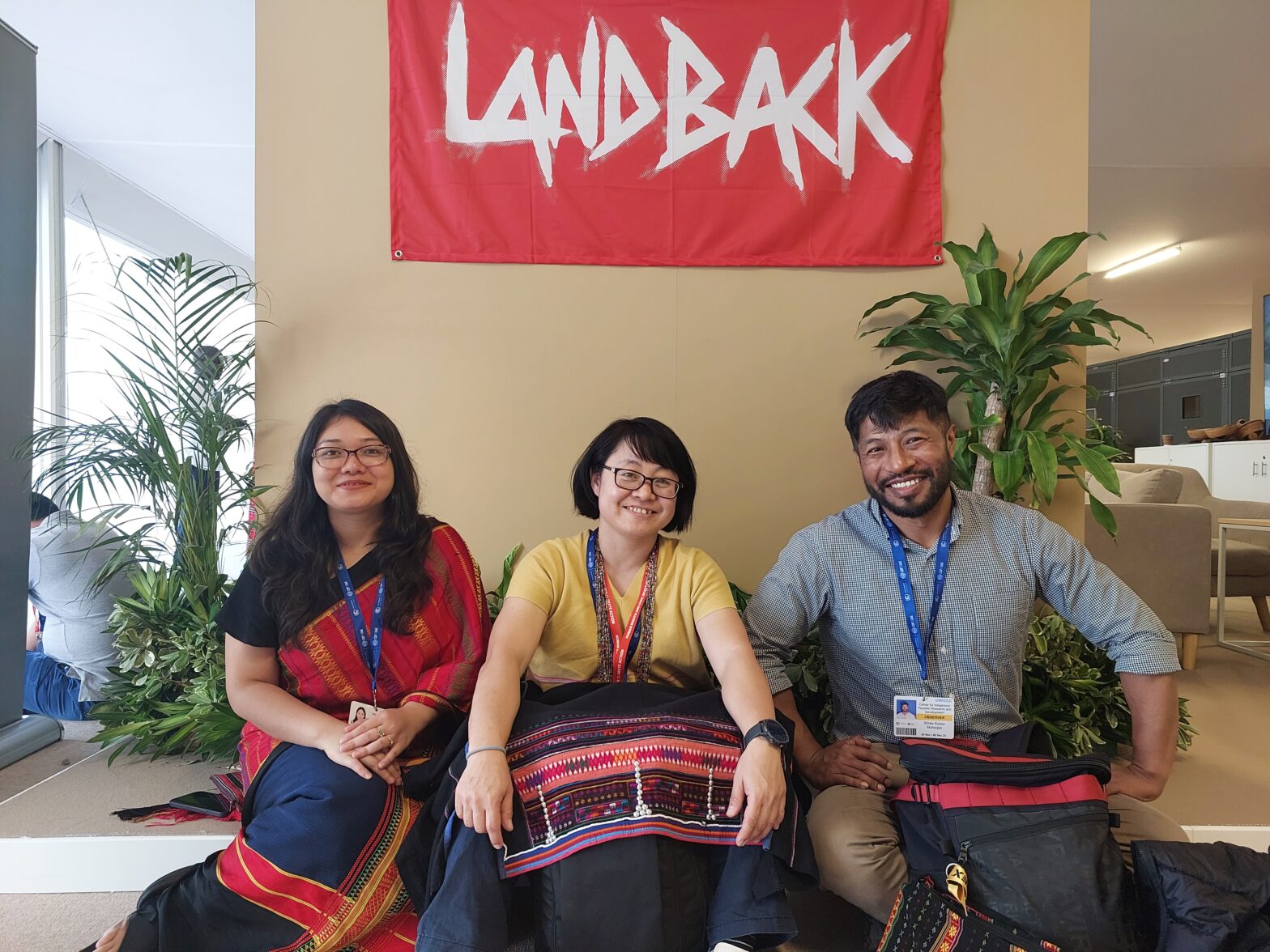
By Jasmine Sone At COP28, I had the opportunity to speak with three extraordinary people: Chandra Tripura, who advocates for the Tripura community in Bangladesh; Pirawan Wongnithisathaporn, who represents the Karen community in Thailand, specifically the Pga K'nyaw; and Shree Kumar Mahajan, who speaks for the Newar community in Nepal. Their stories brought to light …