Category Archives: new attention on old item

Chenoweth postcards at the Fine Arts Center


Colorado College Special Collections lent 27 postcard collages by Mary Chenoweth to the Colorado Springs Fine Arts Center this year.

The postcards were donated to CC by Peggy Marshall and Mike Duffy and dated 1980s-90s. They were on display at the FAC from February 18 – May 21, 2017.

The exhibition was fantastic! The postcards were hung from the ceiling and sandwiched inside plastic so that viewers could see both sides.

in celebration of International Women’s Day

In celebration of International Women’s Day, March 8, 2016, we uploaded our finding aids to the collections of the papers of three women:

Lillian de la Torre, 1960, courtesy CC Special Collections

Lillian de la Torre, 1960


Writer and Playwright
Lillian de la Torre (1902-1993)


Inez Johnson Lewis, undated, courtesy CC Special Collections

Inez Johnson Lewis, undated


Educator, Superintendent of Schools, and State Superintendent of Public Instruction
Inez Johnson Lewis (1875-1964)


Marianne Stoller 1977, courtesy CC Special Collections

Marianne Stoller, 1977


Colorado College Anthropology Professor Emerita
Marianne Stoller (1929-2015)

Charlie Jane Anders in our reading room

20160912_142249_resized

Last month, science fiction author and io9 founder Charlie Jane Anders visited Colorado College as part of our Visiting Writers series. Writers usually meet with students in CC fiction and poetry classes, and Anders was no exception. This time, though, we held the student session in Special Collections, so that we could look at rare and valuable science fiction publications with her.

It was a blast. I put out an 1869 edition of Mary Shelley’s Frankenstein, a first edition of George Orwell’s 1984, an Arion Press edition of H.G. Wells’s Tono-Bungay, issues of SF zines such as Lady Churchill’s Rosebud Wristlet and Pandora, pulp paperbacks of Slaughterhouse-Five and Doctor Who, a 17th century history of monsters, and more. We spent a happy hour or so talking about reading and writing science fiction, and as I said goodbye and gathered up the books from the tables I realized it was the first time I’d ever had all my department’s science fiction stuff in front of me at the same time. Glorious!

20160912_141031_resized

(Anders is standing in front of a humongous painting by Sandy Kinnee, on loan to the library for one year while we renovate.)

The History and Future of the Book

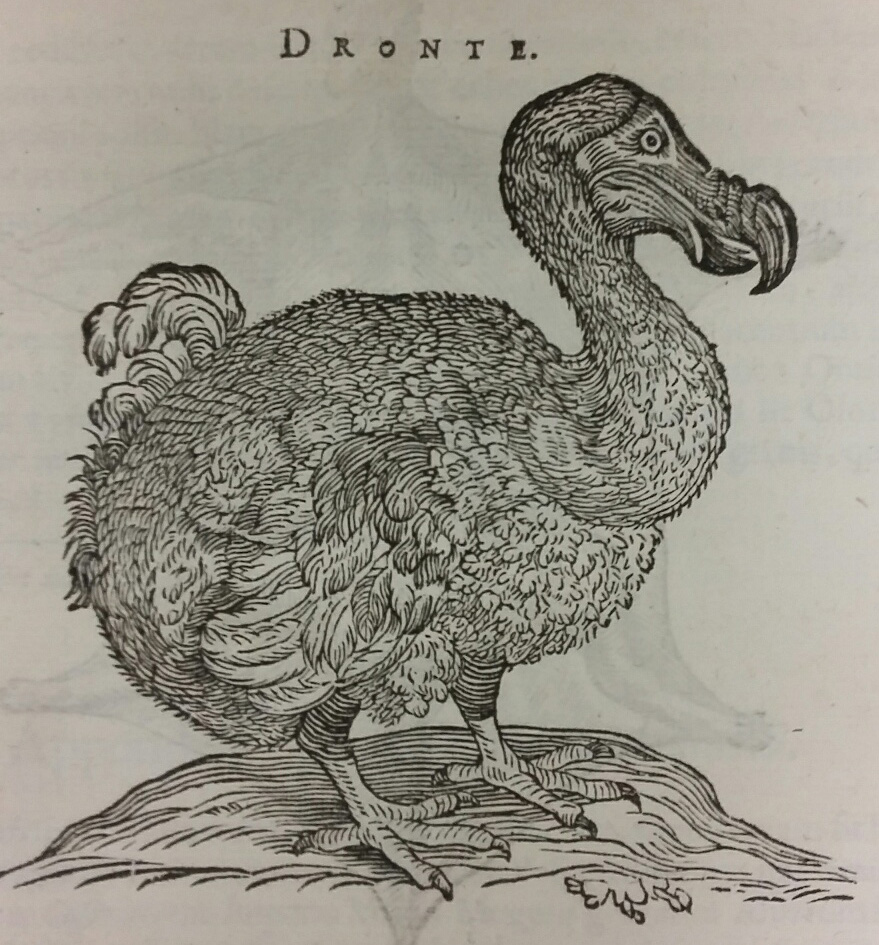
piso dodo piso squirrel

Special Collections student assistant Anna Wermuth blogged her experience in The History and Future of the Book half block class, January 2016:

That Special Something

Why Art (When It’s Tedious)?

Under Press-ure

(The dodo and flying squirrel illustrations are from our copy of Willem Piso’s De Indiae Utriusque re Naturali et Medica Libri Qvatvordecim, published 1658. Anna refers to them in her first post, “That Special Something.”)

a visit from the cast of For Colored Girls

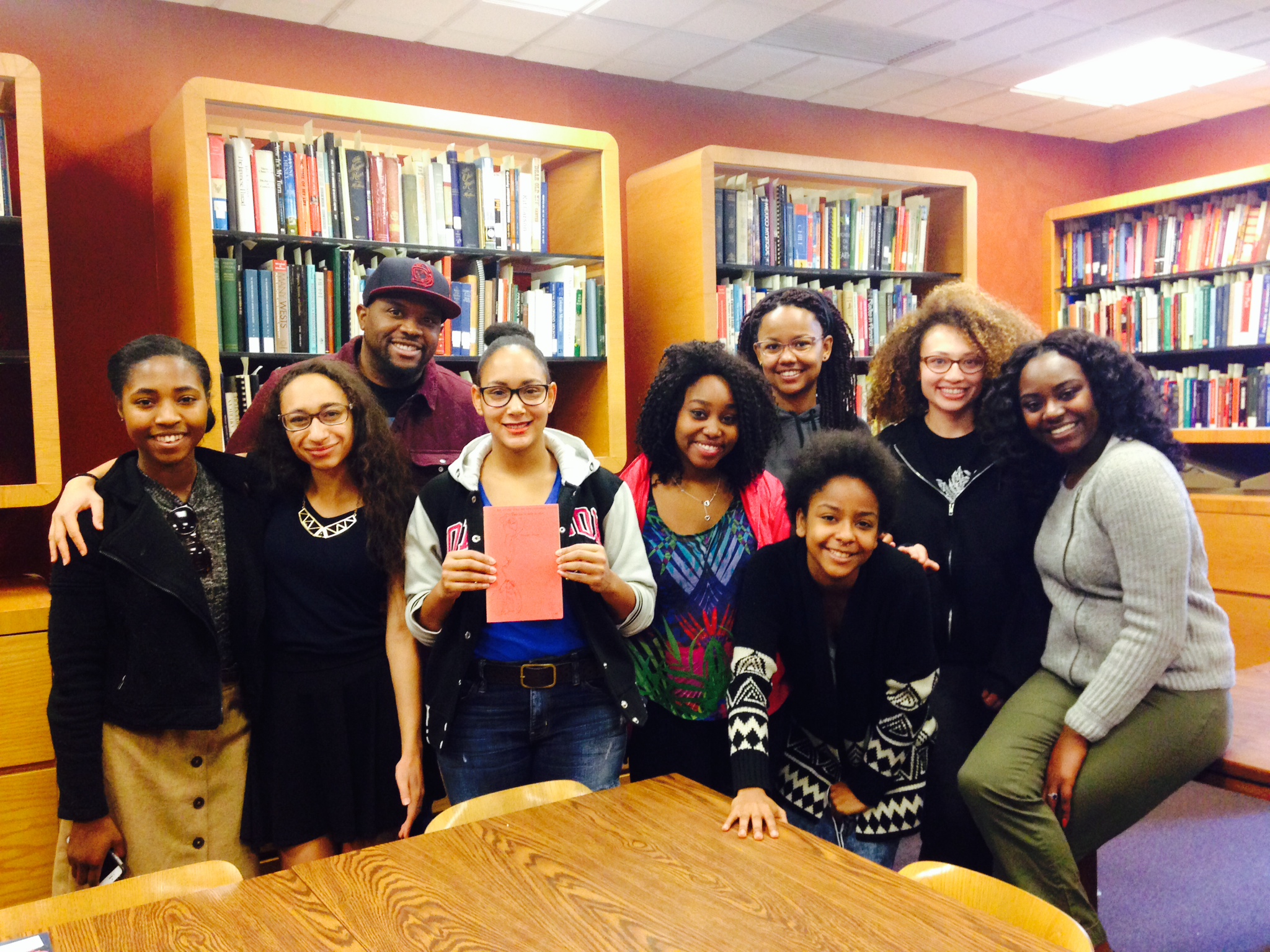
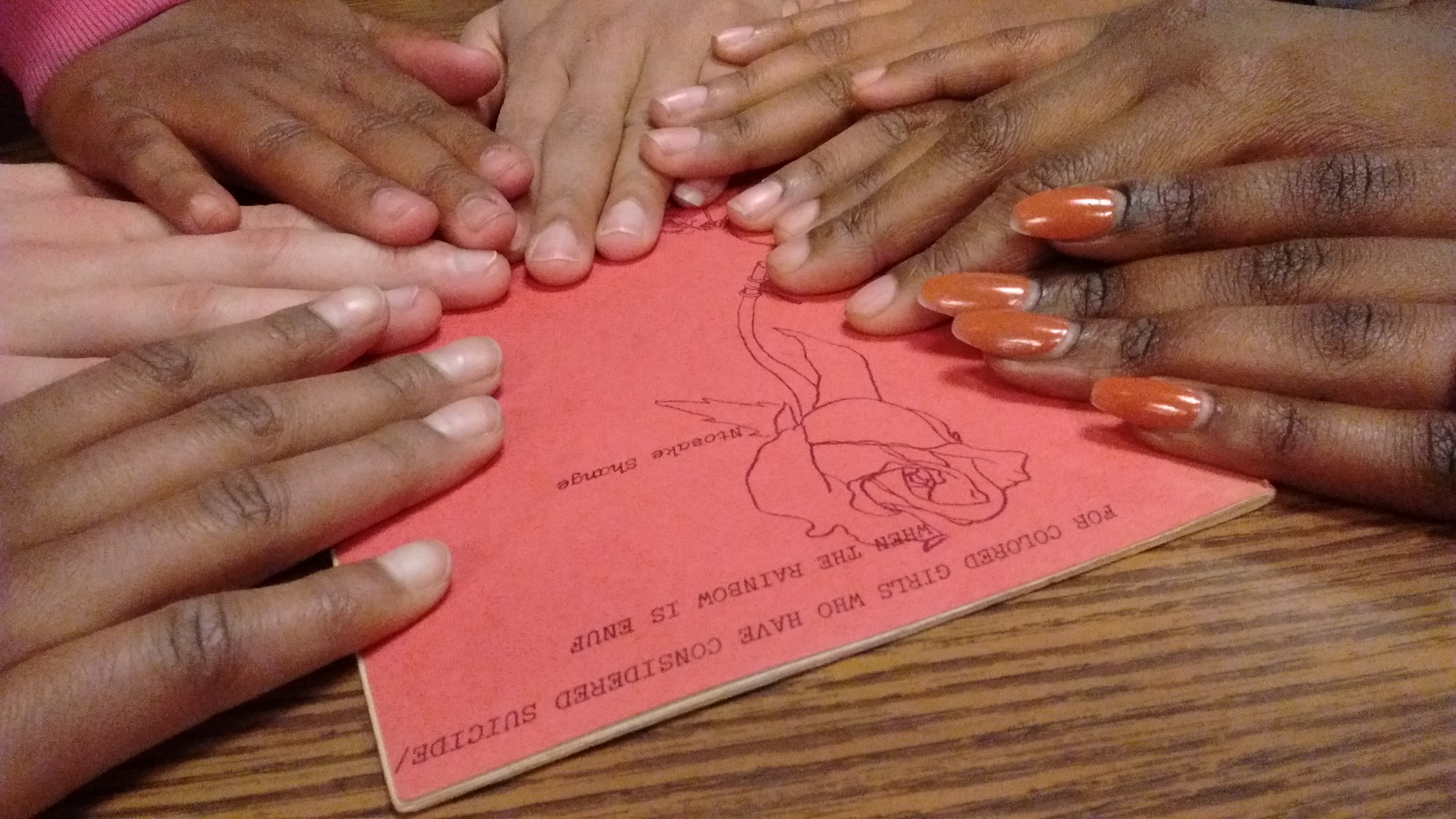
idriscastIn December of 2015, Idris Goodwin directed a sold-out production of Ntozake Shange’s choreopoem For Colored Girls Who Have Considered Suicide … When the Rainbow is Enuf at Colorado College. He and the cast (Alexandra Farr, Lyric Jackson, Jazlyn Andrews, Jaiel Mitchell, Justice Miles, Brittany Comancho, Deaira Cooper, and Erica Willard) stopped by Special Collections last week to take a look at a first edition of the book, which was first published in 1975 by Shameless Hussy Press in 1975.
bookhands

tunnel books at CC Special Collections

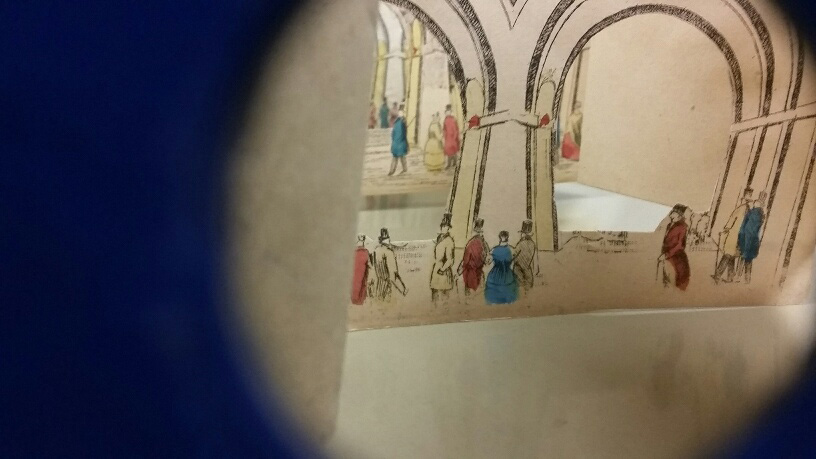
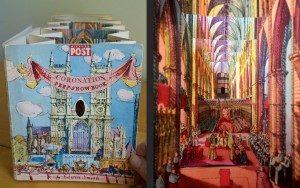
Thames Tunnel coverThames Tunnel interiorTunnel books have been made and sold since the mid-18th century in Europe. The earliest one in CC Special Collections, History of the Thames Tunnel (1861), was sold to tourists in England, as was our next-earliest, The Picture-Post Coronation Peep-Show Book (1953).

Our copy of the Thames Tunnel book is quite worn, suggesting that many people looked through its eye-holes over the years before it came to the library.

Coronation 1Our Coronation book, on the other hand, was purchased in kit form and never put together. Luckily, the Journal of Wild Culture offers a photo essay showing what the book looks like from various angles.

tunnel book Arizona


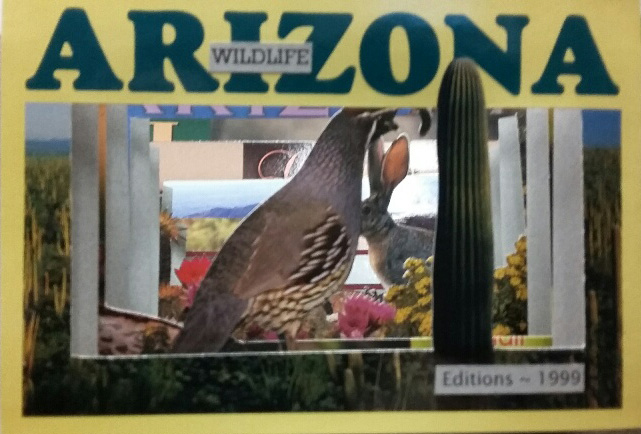
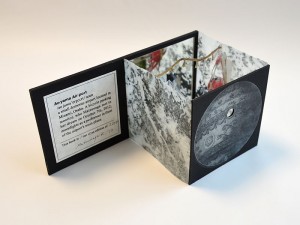
Our other tunnel books are artists’ books made in the last two decades. Edward H. Hutchins’s  Arizona Wildlife (1999) is made from picture postcards.

timm


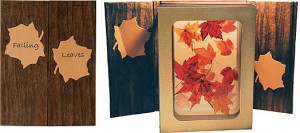
Jill Timm’s Falling Leaves (2006).

nocturne2_wp610x407


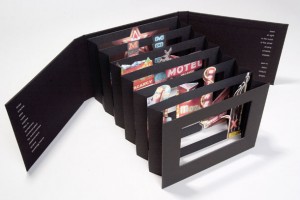
Laura Russell’s Nocturne (2004) shows a fanciful version of the neon signs on Colfax Avenue in Denver and is a favorite among CC students.


matsunaga-aoyama2-1000w


Kyoko Matsunaga’s Aoyama Airport (2013).

For a good overview of tunnel books, see Jean-Charles Trebbi’s The Art of Pop-Up: The Magical World of Three-Dimensional Books (Promo Press, 2012), available at many libraries.

The Book of Mormon at CC

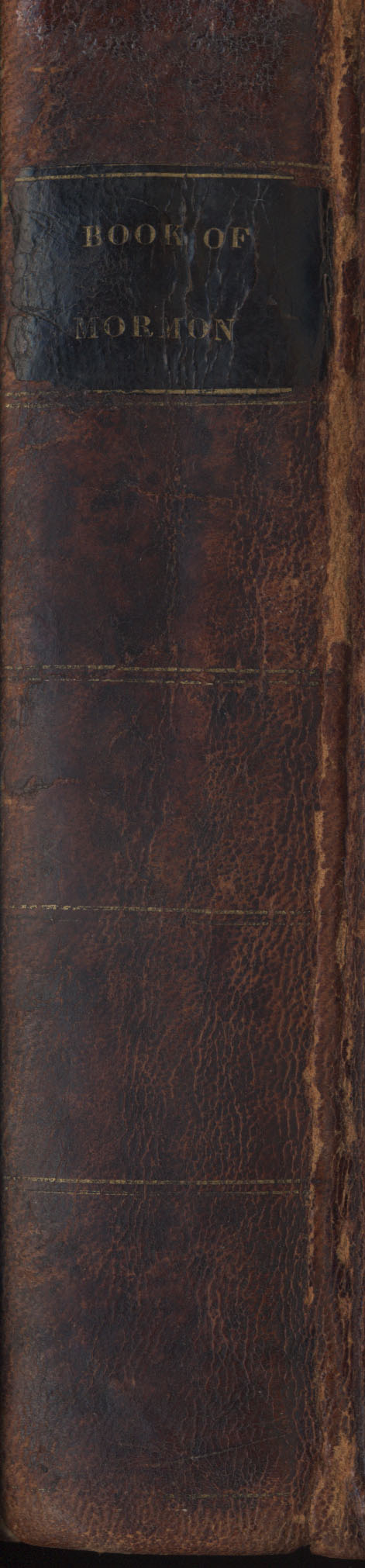
Book of Mormon spineNo one had requested our copy of the first edition of The Book of Mormon in at least fifteen years, but that all changed last month. First one request, then another, and then eighty Mormon visitors in one day, broken up into four groups in order not to overcrowd the reading room.

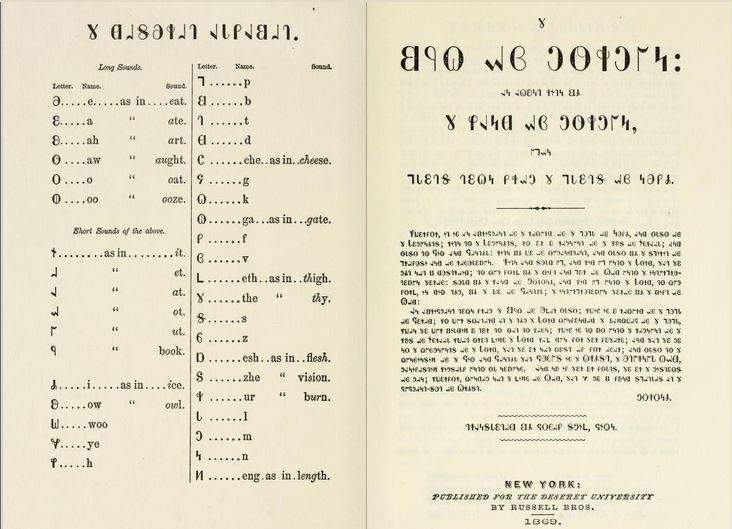
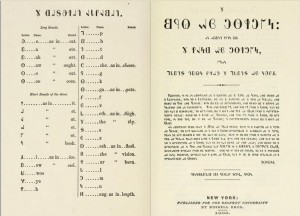
The Book of Mormon, the foundational text of the Church of Jesus Christ of Latter-day Saints, was first published in Palmyra, NY in 1830. 5000 copies were printed, of which at least 144 are currently in libraries. book-of-mormon-deseret-alphabet-1Joseph Smith’s text has been reprinted hundreds of times and translated into many languages and alphabets, including Brigham Young’s Deseret alphabet (one of several alphabets developed to simplify spelling in the 19th century, including one invented by Melvil Dewey, yes, he of the card catalog system).
The first edition of the book contains a number of typographical errors, including page 487 printed as 48, and, in some copies (not ours), “rumderers” for “murderers” on page 521. (For a full list, see Janet Jenson’s “Variations between Copies.”) [Addendum, January 2016: volunteer JoAnn Hendershot has discovered that the CC copy of The Book of Mormon also has page 212 printed as 122. She went through Jenson’s list and found no other variations in our copy.]

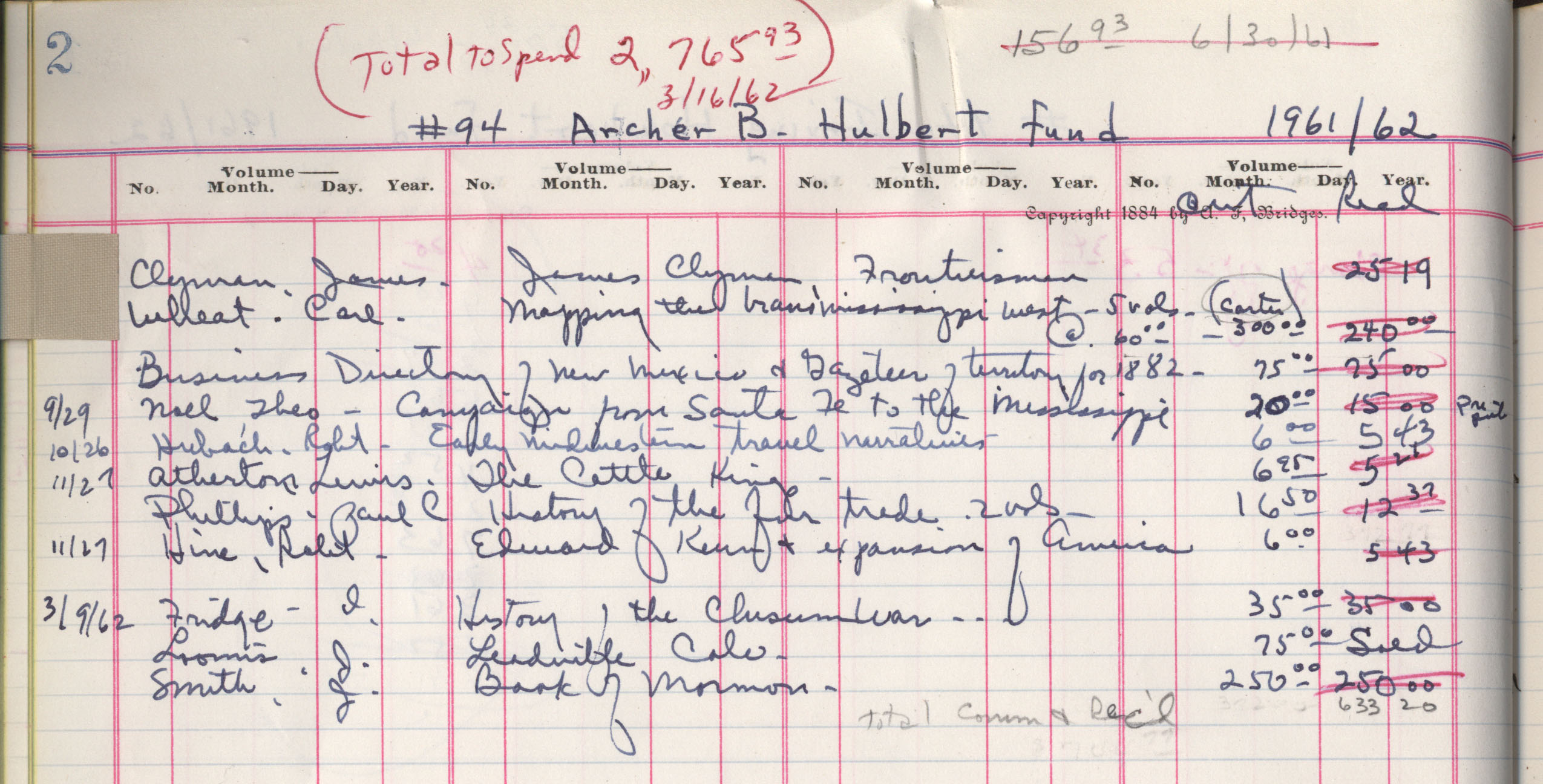
Book values change with the times, and the monetary value of this book has increased exponentially. According to library records, Colorado College purchased our copy for $250 in 1962. It was one of the first purchases made using the Hulbert Fund, honoring Archer Butler Hulbert, CC professor and scholar of the American West. The book is now worth perhaps $100,000. Our copy, however, is not for sale.
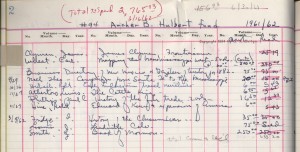
Book of Mormon purchase


the building that never was

Cutler New West imaginary


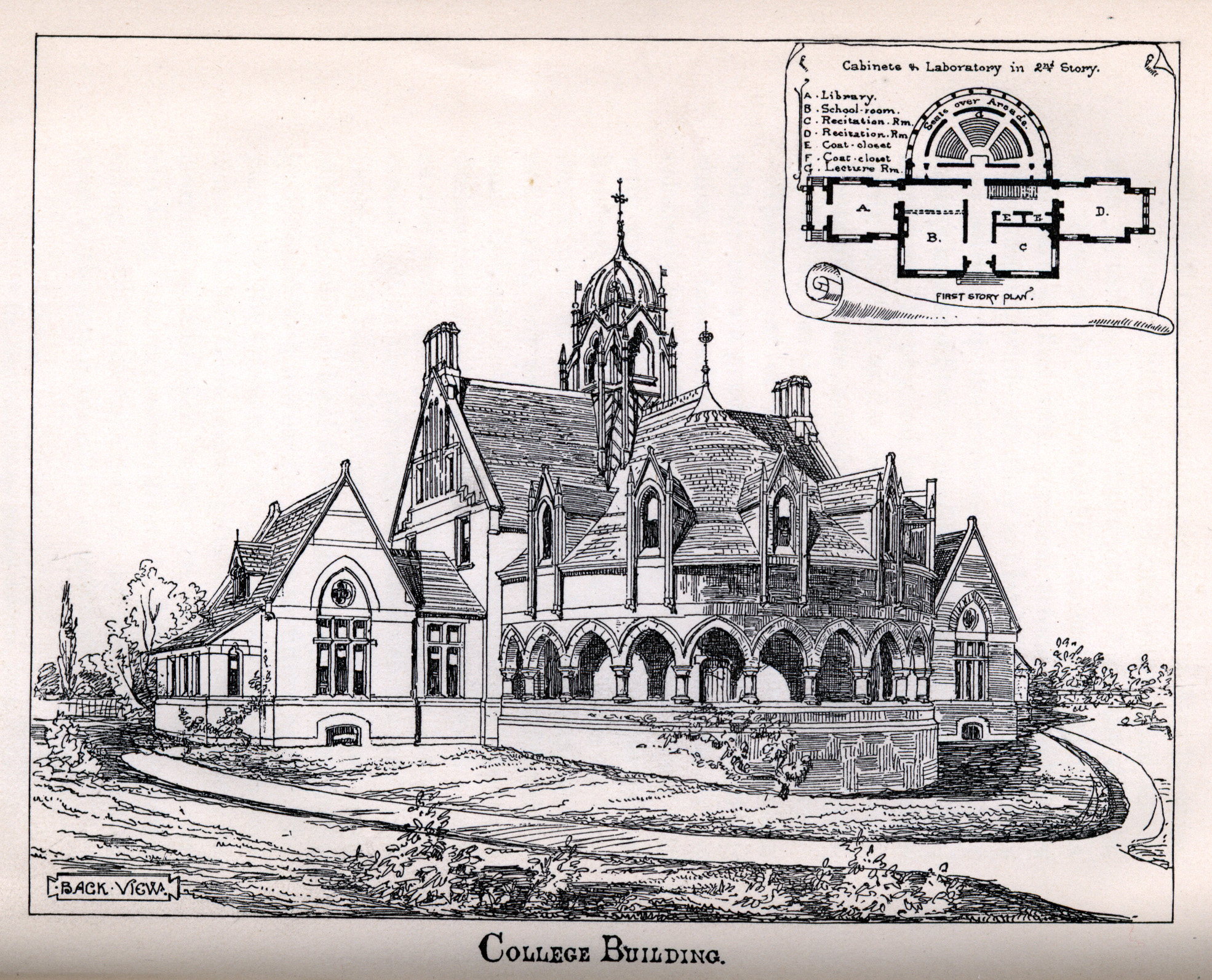
This illustration is from E.P. Tenney’s The New West, published 1878. It shows — or purports to show — the western facade of Colorado College’s Cutler Hall (also known as Palmer or simply “The College,” depending on the date).

Doesn’t it look enticing? A potential CC student could picture herself sitting with classmates and faculty in rocking chairs on that big back porch, talking together about Aristotle as they gazed out at a glorious Pikes Peak sunset.

Except that the porch, indeed the whole western piece of the building, was never built.

Nothing in The New West suggests that this illustration is any less real than the illustration of the building’s eastern facade, and indeed, at the time, they were equally imaginary. In 1878 the college did not yet have a freestanding building and operated out of a storefront in downtown Colorado Springs.

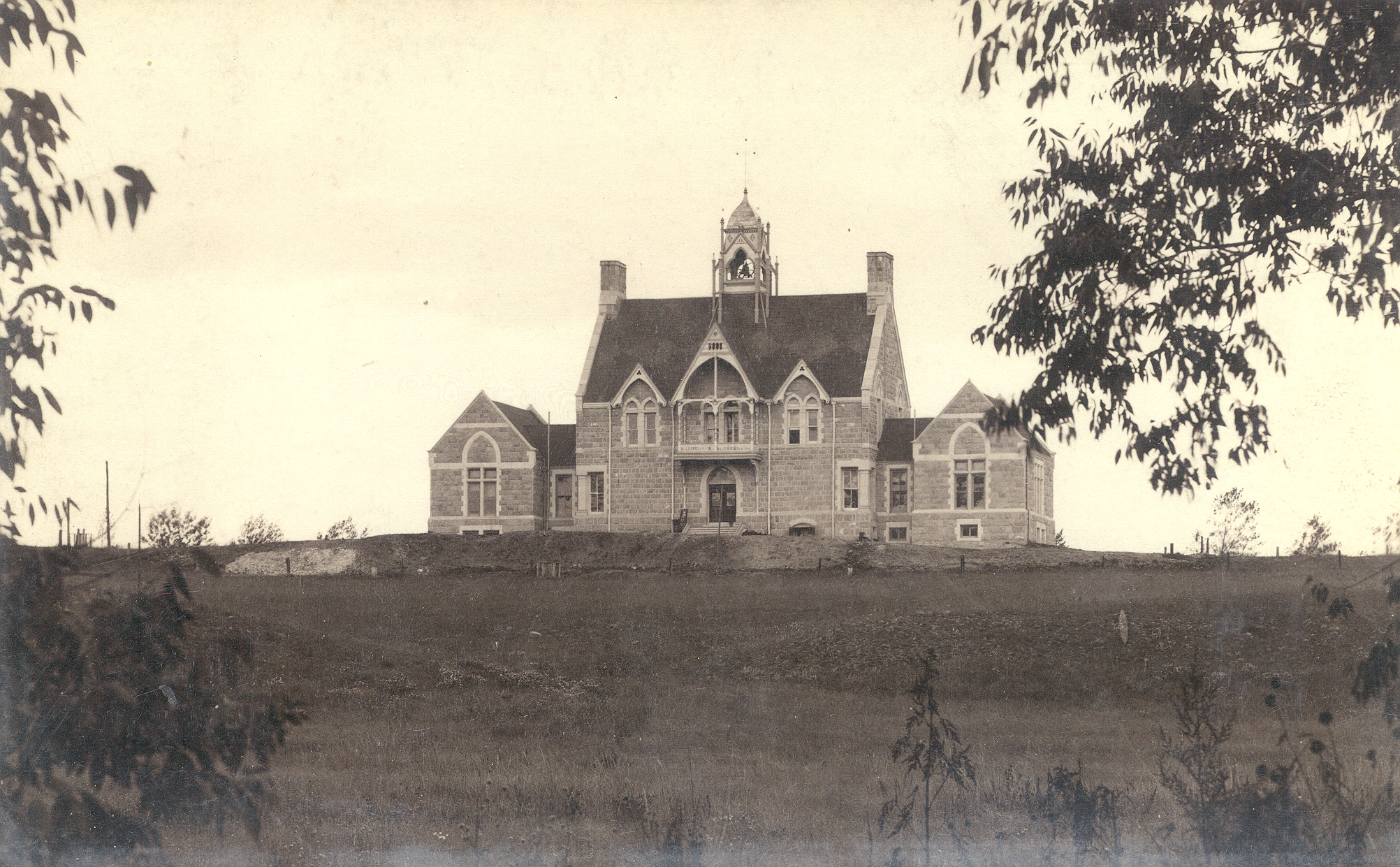
The middle piece of the planned building opened for classes in 1880, looking rather lonely out on the prairie:

Cutler1878

Around 1882, wings were added:

Cutler exterior 1883But the western-facing bit was never built.

The Ghosts of My Friends

ghosts

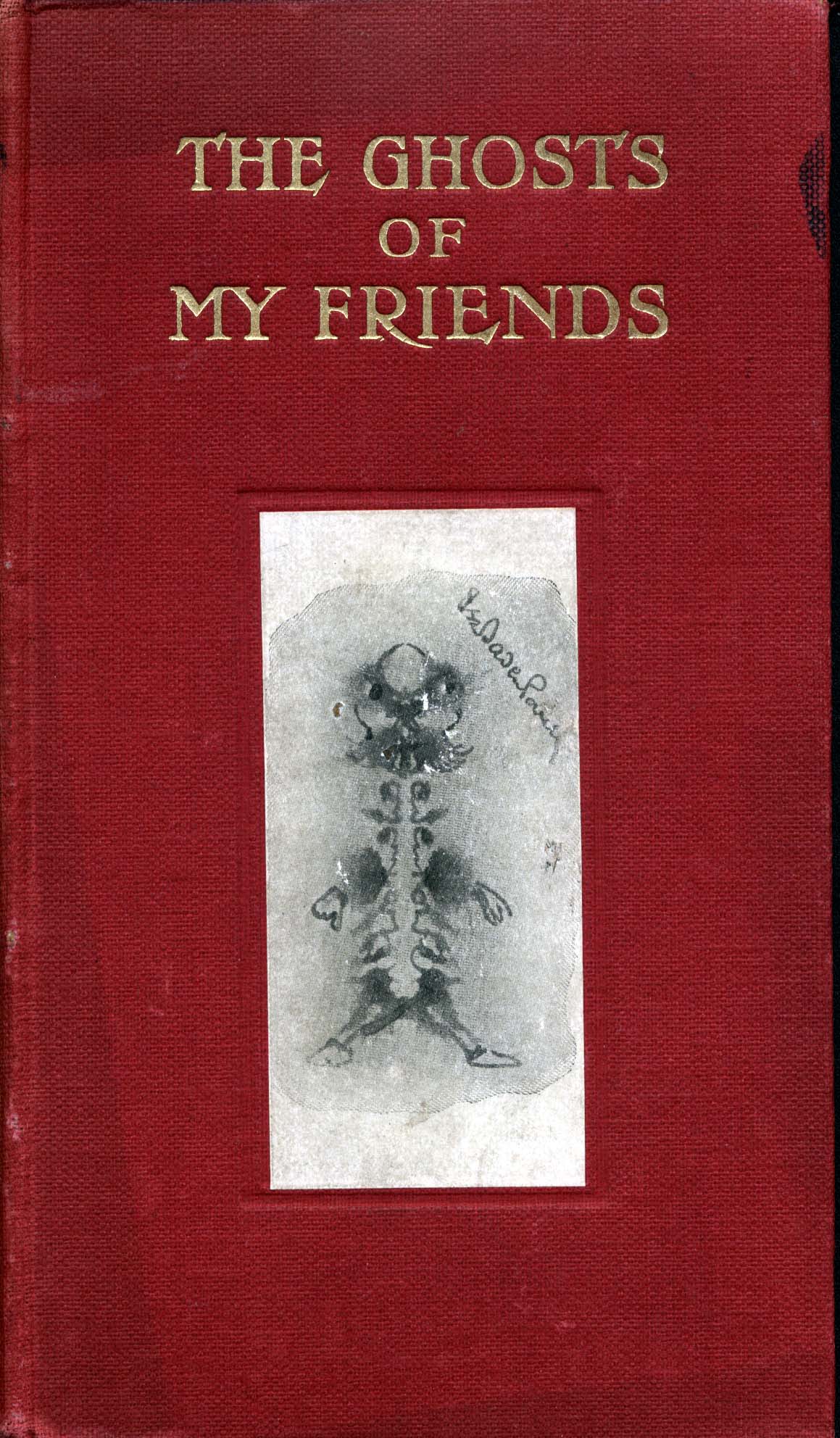
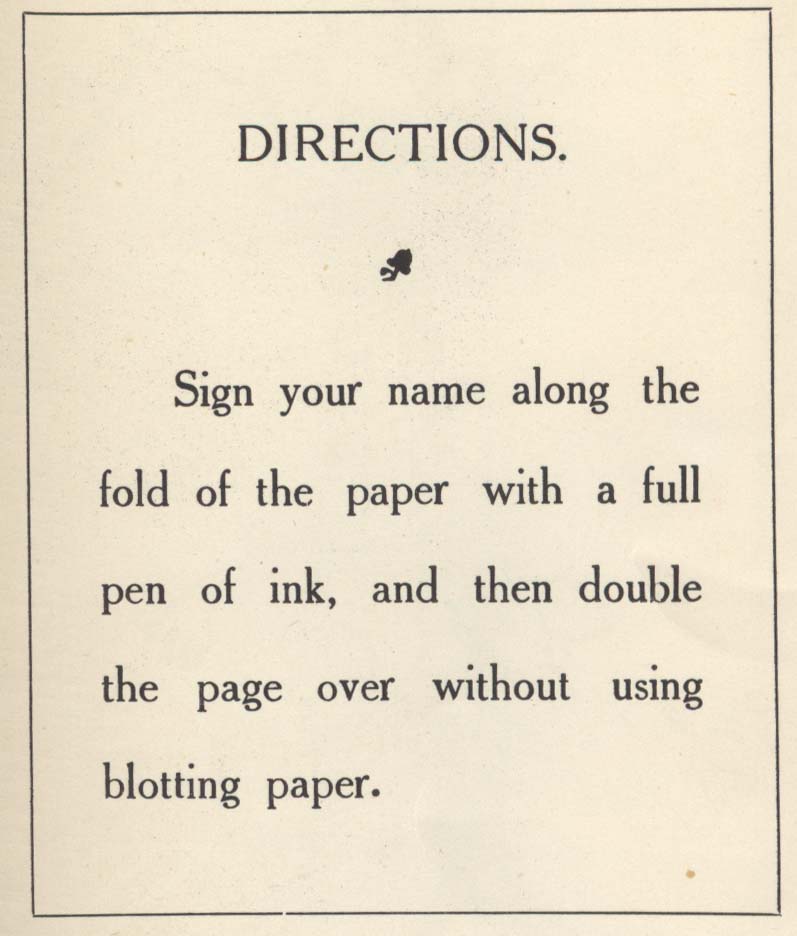
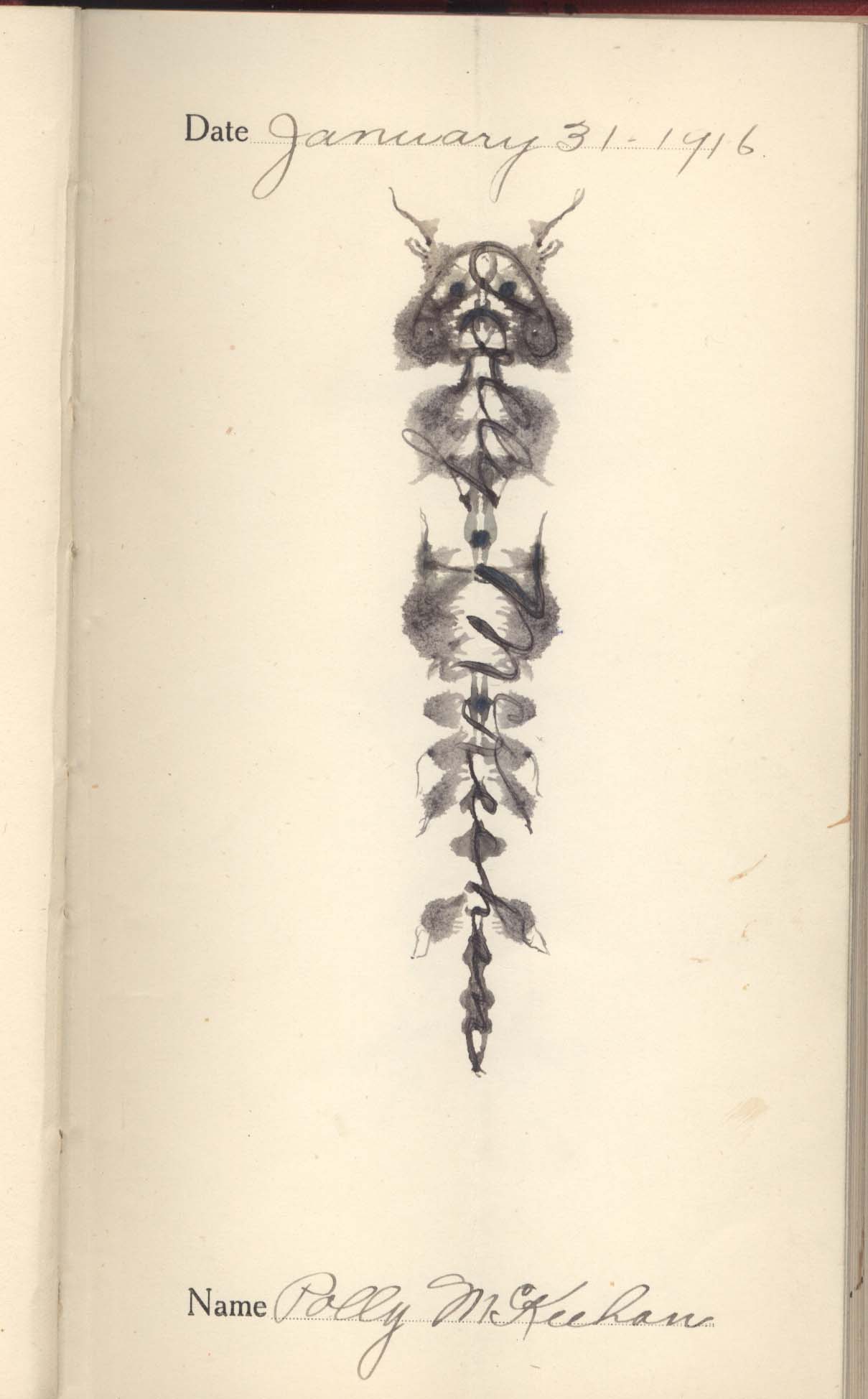
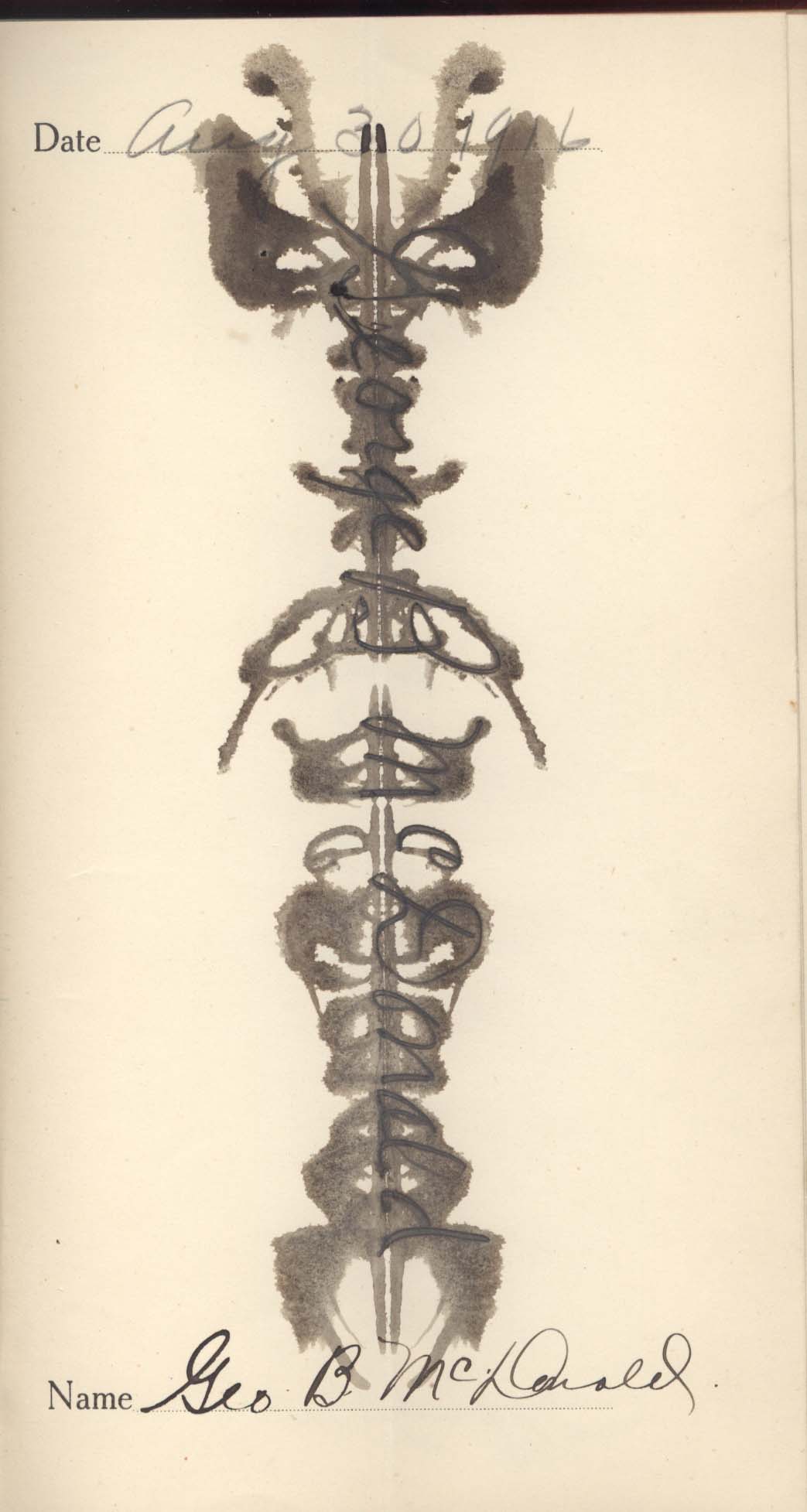
ghostsinstructionsThe Ghosts of My Friends is an autograph book with a twist. Published in the early 20th century, it’s a near-blank book meant to be used for sideways signatures to be turned into “ghosts,” that is, humanoid (or ghostoid) shapes representing the signers.


The “ghosts” pictured here were made in 1916 from the signatures of Polly McKeehan and Geo. B. McDonald.

ghostsexample ghostsexample2
There are about 40 copies of The Ghosts of My Friends in U.S. libraries. Each one, of course, would contain different ghosts. We brought our copy out recently during a class discussion about identifying people from their handwriting. This book takes that idea a step further, suggesting that a person’s handwriting is that person in a profound way.