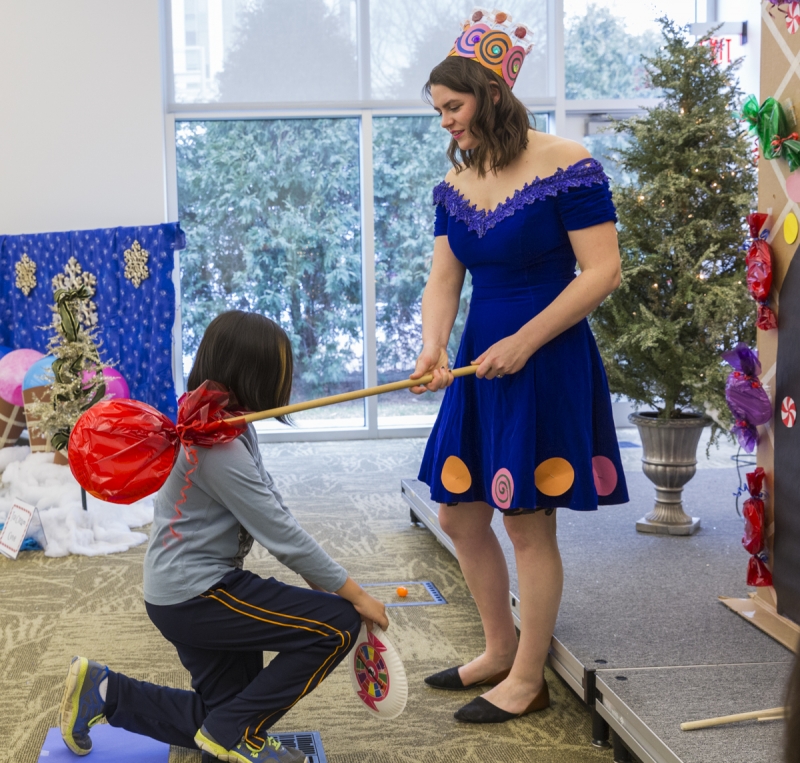
The Champaign Public Library in Illinois created a life-size version of the board game Candy Land in March of 2016. They did it the year before, too.
Thanks, Joan Petit!
The Champaign Public Library in Illinois created a life-size version of the board game Candy Land in March of 2016. They did it the year before, too.
Thanks, Joan Petit!
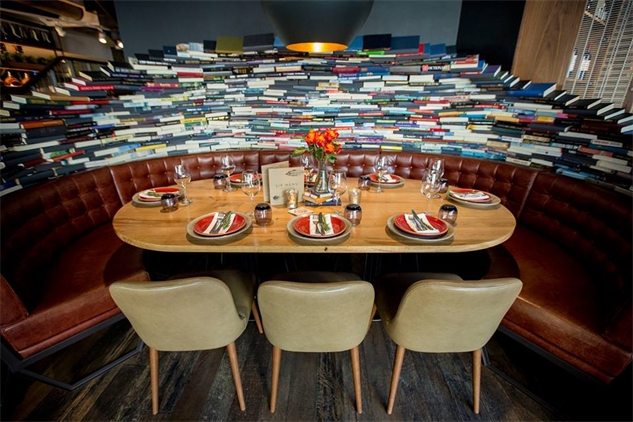
Click the image to read about eight library bars, or bar libraries, in the U.S. and England. I wonder if anyone ever reads any of the books. Probably not in the bar pictured here, since it doesn’t look like the books are removable. Thanks, Kathleen Kirk!
Addendum, February 19: more library bars in London here. Thanks, Diane Westerfield!
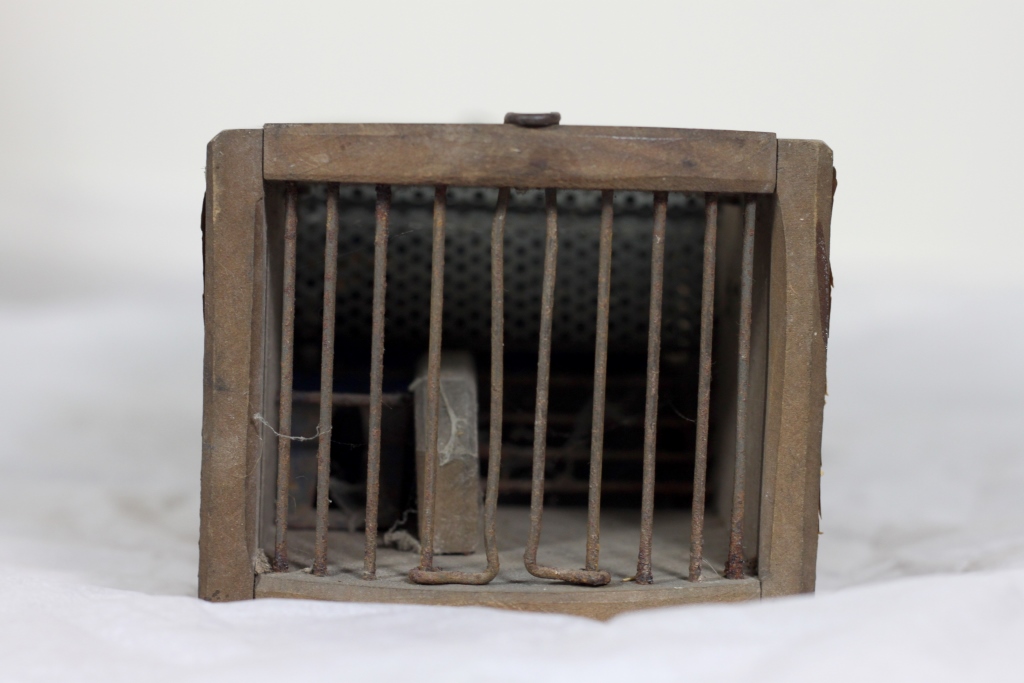 The Museum of English Rural Life (MERL) at the University of Reading found a dead mouse in its 155-year-old “perpetual mouse trap.” Rest in peace, little mouse. Your deed shall live forever in the records of the museum. Thanks, Lynne M. Thomas!
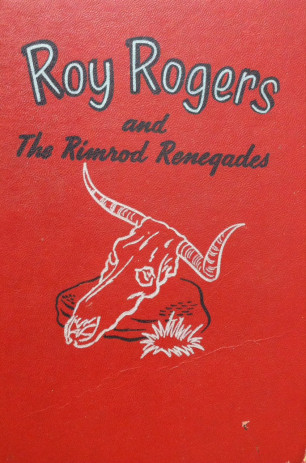
“Weird Eddie” keeps track of unusual books donated to his library here.
I might try to make this:
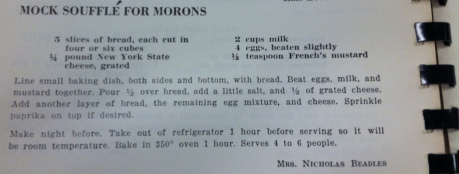
Thanks, Suzie DeGrasse!
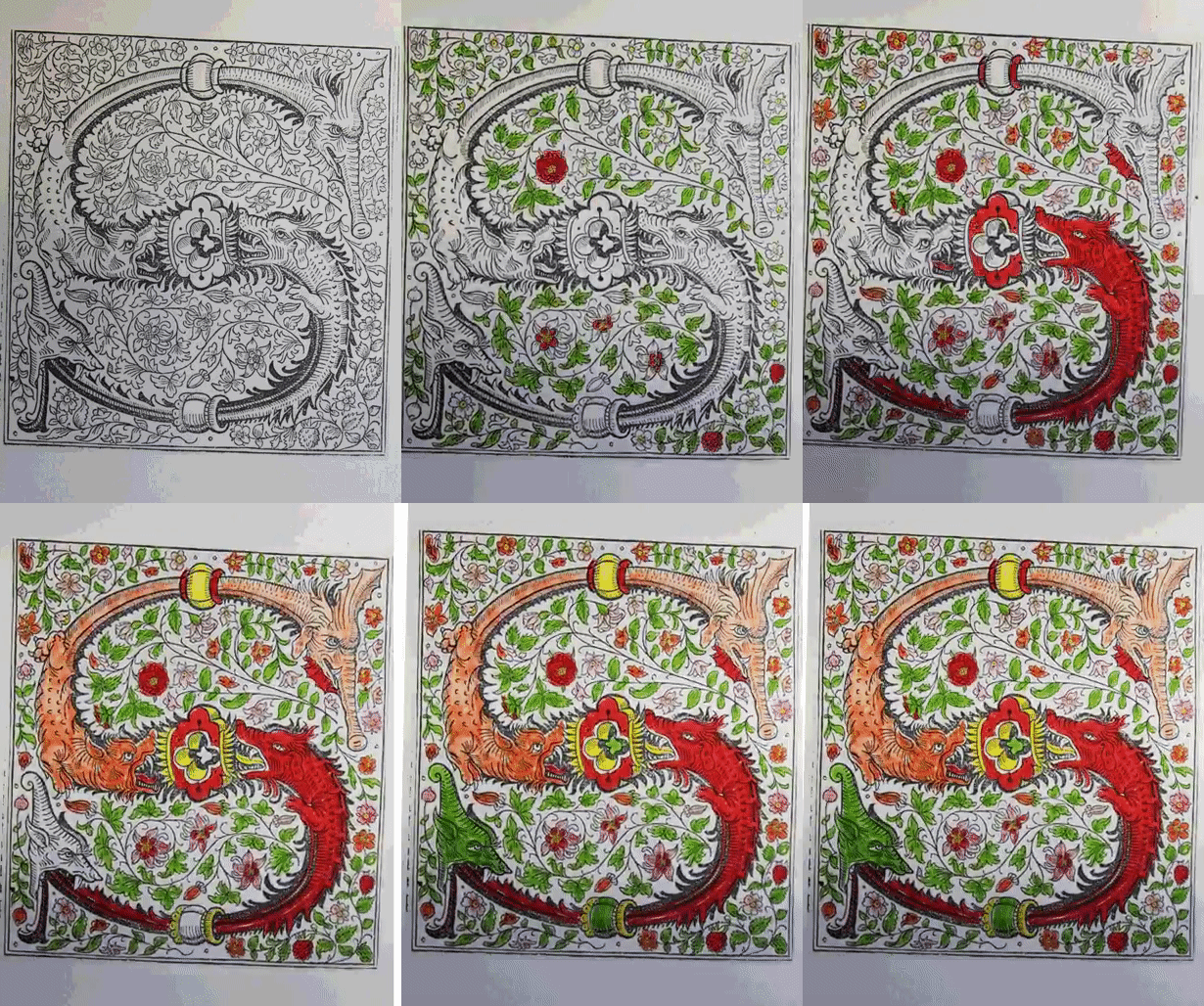
The Bodleian Library at Oxford University has released a digital coloring book of images from their collections! Apparently, it’s a trend — the Wangensteen Historical Library at the University of Minnesota is doing something similar, as are many libraries. Thanks, Lynne Marie Thomas and Marianne Aldrich!



Yet another real-life meme, where it’s difficult to find the origin. The t-shirt is for sale here. Thanks, Daniel M. Shapiro!
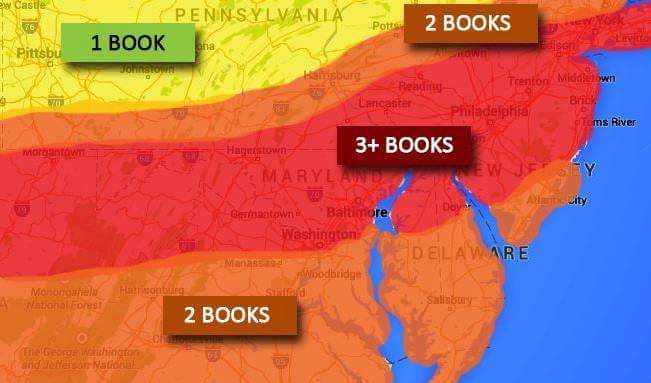 This map has been showing up all over Facebook and Twitter this week. I’m not sure who originally created it, but the earliest example I can find is a Facebook post from Peace Hill Press in Virginia. It’s also been shared by the Prince William Library and the Central Rappahannock Regional Library in Virginia and by Riverhead Books in New York.
In December of 2015, just before we left for winter break, the Buddy Taub Foundation (Dennis and Jill Roach, directors) donated $75,000 to Colorado College Special Collections. The foundation slated the money for a particular purchase: a small collection of extremely rare Bauhaus materials.
 The collection is made up of a handful of rather amazing items. First, the three-page Programm des Staatlichen Bauhauses in Weimar, German architect Walter Gropius’s 1919 manifesto for the Bauhaus movement. It is illustrated with the famous “Kathedrale” woodcut by Lyonel Feininger (image at right). This particular copy was a gift from Gropius to his student and colleague Chester Nagel. Fewer than ten copies of this fragile document are known to have survived.
Second, a test print of the “Kathedrale” woodcut, somewhat smaller than the print used for the cover of the Programm. This, too, was a gift from Gropius to Nagel. There’s a similar test print at the Museum of Modern Art.
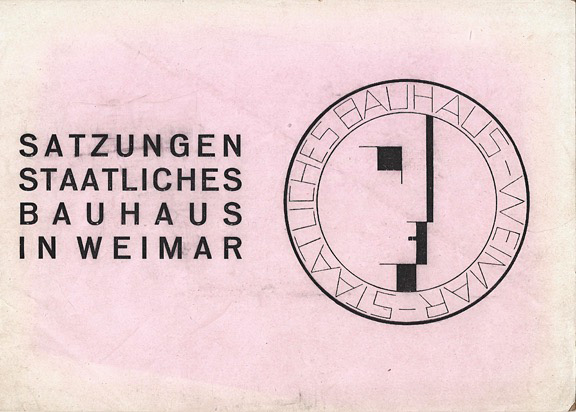 Third, a copy of Satzungen Staatliches Bauhaus in Weimar, the 1922 handbook for Weimar Bauhaus school, printed soon after the school’s adoption of Gropius’s maxim “Kunst und Technik – eine neue Einheit” (“Art and technology, a new unity”). One of only three known copies in the world.
Fourth, a pair of original Gropius designs in pencil. One is the name of his daughter, “Manon Gropius,” in shaded block letters; the other is a series of architectural sketches.
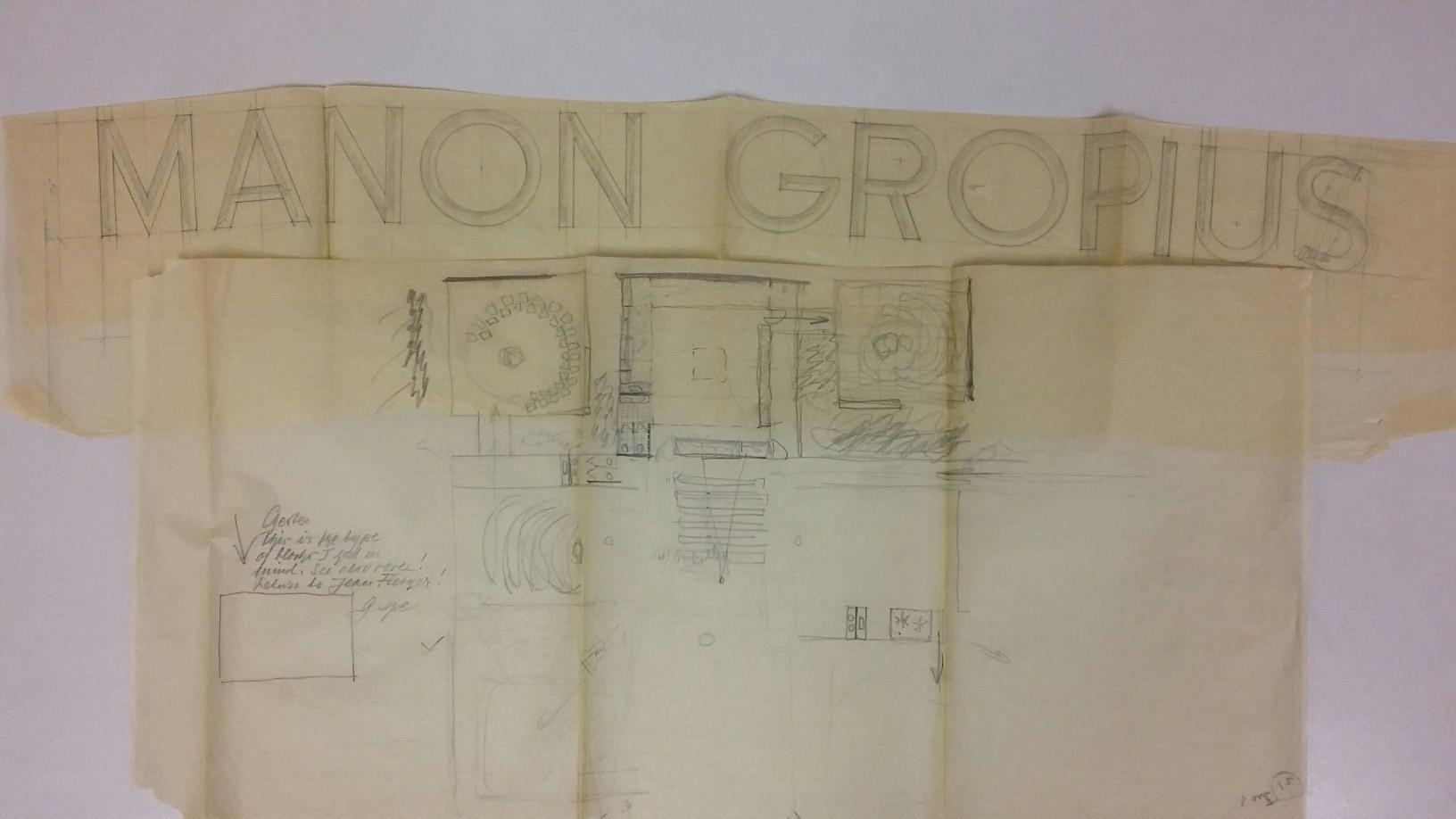
(Side note: printer of the Press at Colorado College Aaron Cohick tells us of an interesting Colorado/Bauhaus connection: Bauhaus artist Herbert Bayer moved to Aspen after he left Germany; he had solo shows at the Colorado Springs Fine Arts Center in 1947 and 1962.)
The Buddy Taub Foundation’s mission is to make funds available to museums and research libraries for the purchase of desirable materials they would not otherwise be able to afford. The Foundation hand-picks the institutions and items for purchase. Past recipients include the Pierpont Morgan, Huntington, and Lilly libraries, among others. Colorado College is thrilled to be in such illustrious company!
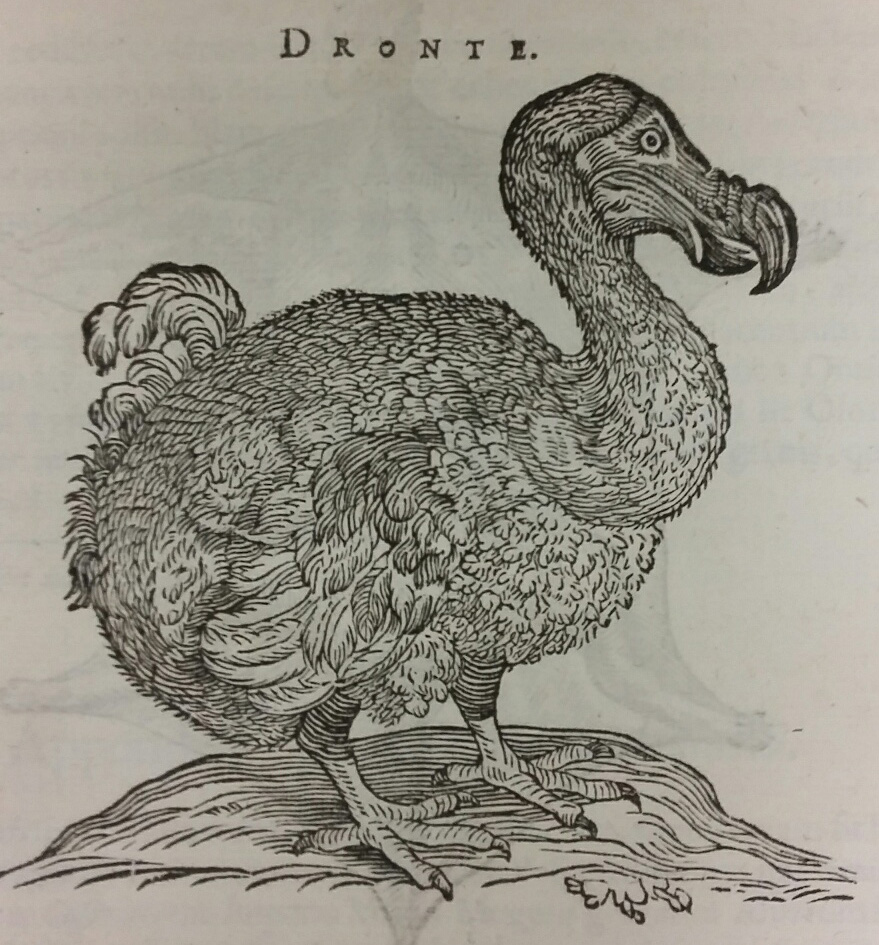

Special Collections student assistant Anna Wermuth blogged her experience in The History and Future of the Book half block class, January 2016:
(The dodo and flying squirrel illustrations are from our copy of Willem Piso’s De Indiae Utriusque re Naturali et Medica Libri Qvatvordecim, published 1658. Anna refers to them in her first post, “That Special Something.”)
After spending the incredible $10,000 gift from the Woman’s Educational Society, we here at Special Collections decided we weren’t quite finished acquiring important books related to women’s history.
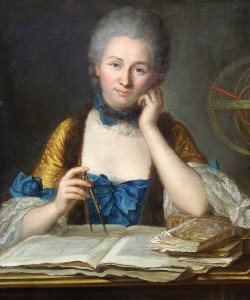 Members of the faculty of CC’s Feminist and Gender Studies program had directed us to Duke University’s Project Vox, which in turn called our attention to Gabrielle Émilie Le Tonnelier de Breteuil, marquise du Châtelet (1706-1749), an important and influential scientist. We were able to purchase two editions of Émilie du Châtelet’s Institutions de Physique: the first edition, in French, from 1740, which was published anonymously; and an Italian translation, with attribution, published in 1743.
If you’re not fluent in French or Italian but you’d like to know more about du Châtelet, you might try David Bodanis’s 2006 book Passionate Minds, which is subtitled “the great love affair of the Enlightenment, featuring the scientist Emilie Du Châtelet, the poet Voltaire, sword fights, book burnings, assorted kings, seditious verse, and the birth of the modern world.” It’s available at the CC library.